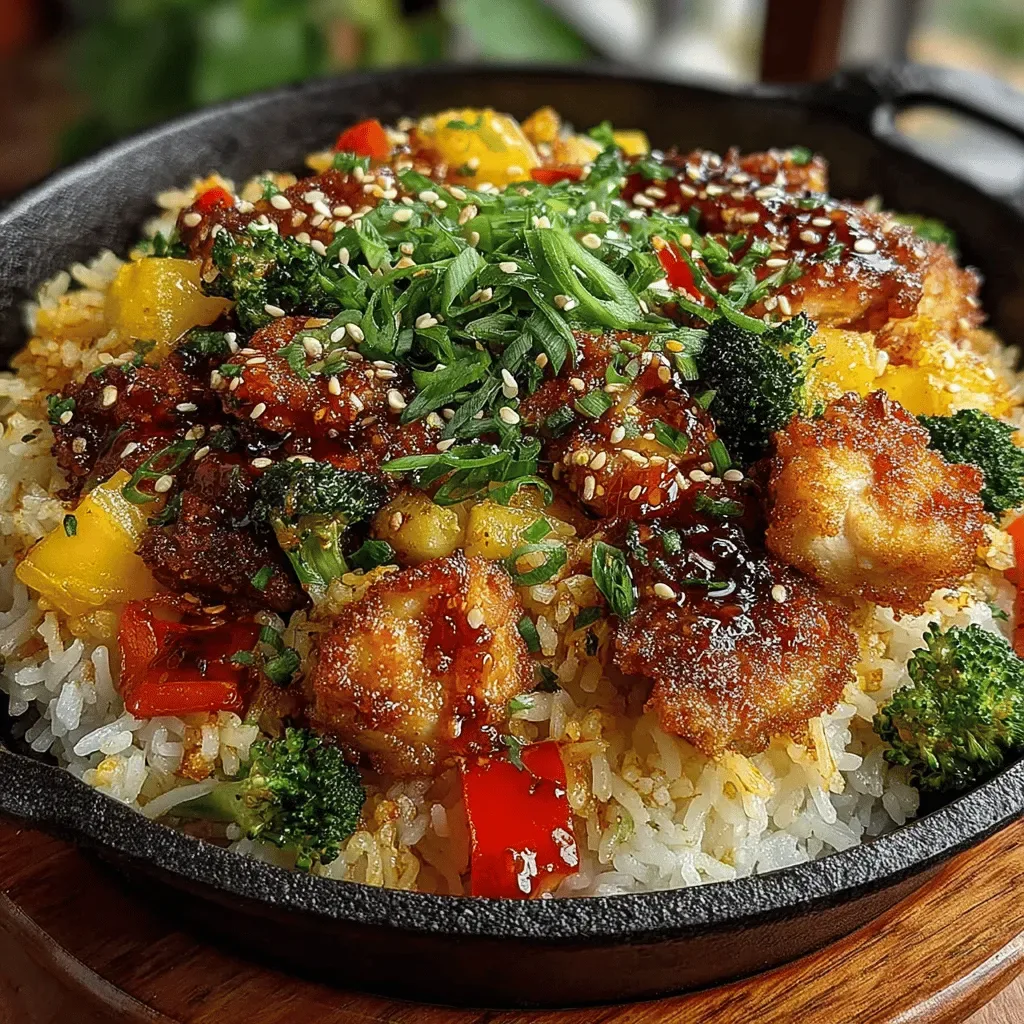
The first time I made these Spiced Winter Bowls, I was standing in my tiny kitchen on a frosty Saturday morning, the kind of day when the world outside looks like a watercolor of gray and white. I had just pulled a tray of butternut squash and sweet potatoes out of the oven, and the air was instantly filled with a warm, sweet perfume that seemed to chase away the chill. As the steam rose, it carried hints of cinnamon and smoked paprika, wrapping the room in a cozy blanket that reminded me of my grandmother’s kitchen during holiday gatherings. I remember the moment I lifted the lid and a cloud of fragrant steam hit me like a warm hug, and I knew I had stumbled onto something special that would become a family favorite.
What makes this bowl truly magical is the way each component plays its part—soft, caramelized veggies, a creamy, violet‑hued ube purée, fluffy quinoa, and a crunchy pistachio crumble that adds texture and surprise. The colors alone—vibrant orange, deep purple, bright green, and ruby‑red pomegranate—are enough to make anyone pause and admire the plate before the first bite. But it’s not just about looks; the flavors are layered like a well‑written novel, each spice building on the last to create depth and comfort that feels both familiar and exciting. Have you ever wondered why a simple bowl can feel like a celebration? That’s the secret I’m about to reveal.
I’ve spent years tweaking this recipe, experimenting with different grains, swapping out spices, and even adjusting the cooking method to get the perfect balance. The result is a dish that’s hearty enough for a cold night yet light enough to leave you feeling satisfied, not weighed down. And because it’s built on whole, nutrient‑dense ingredients, you can feel good about serving it to the whole family—including the picky eaters who usually turn their noses up at anything green. Trust me, once they see the vibrant colors and taste the comforting spices, they’ll be asking for seconds.
But wait—there’s a little secret technique I use that takes the flavor from great to unforgettable, and I’ll share it a little later in the steps. Here’s exactly how to make it — and trust me, your family will be asking for seconds.
🌟 Why This Recipe Works
- Flavor Depth: The combination of ground cinnamon, cumin, and smoked paprika creates a layered warmth that feels both sweet and savory, making each bite a surprise for the palate.
- Texture Harmony: Roasted veggies provide a caramelized exterior, the ube‑coconut purée adds silky smoothness, and the pistachio crumble contributes a satisfying crunch.
- Ease of Preparation: Most components can be pre‑roasted or cooked ahead of time, allowing you to assemble the bowls quickly when guests arrive.
- Time Efficiency: With a total cook time of under an hour, you can serve a wholesome dinner even on busy weeknights without sacrificing flavor.
- Versatility: Swap quinoa for brown rice, or replace the pistachios with toasted almonds, and the bowl adapts to your pantry and dietary preferences.
- Nutrition Boost: Packed with vitamins from butternut squash, antioxidants from sweet potatoes, and protein from quinoa, this bowl supports immune health during the colder months.
- Ingredient Quality: Using fresh, seasonal produce amplifies natural sweetness, while high‑quality spices ensure each bite is aromatic and vivid.
- Crowd‑Pleasing Factor: The striking visual contrast of purple ube, orange squash, and ruby pomegranate makes it Instagram‑ready and irresistibly tasty.
🥗 Ingredients Breakdown
The Foundation: Grains & Greens
Quinoa or brown rice forms the hearty base that anchors the bowl, providing a subtle nutty flavor and a protein punch that keeps you full longer. I personally prefer quinoa for its fluffy texture and quick cooking time, but brown rice adds a comforting chewiness that works beautifully with the soft veggies. When selecting quinoa, look for a bright, uniform color; any yellowish tinge can indicate older stock that may taste bitter. For the greens, baby spinach or kale adds a burst of freshness—spinach wilts quickly, while kale benefits from a brief sauté to soften its fibrous leaves. Both options bring a vibrant green contrast that brightens the plate.
Aromatics & Spices: The Flavor Architects
Red onion delivers a gentle bite that balances the natural sweetness of the squash and sweet potatoes, while olive oil acts as the conduit for heat, ensuring even roasting. Ground cinnamon and ground cumin are the heart of the dish: cinnamon adds a warm, sweet undertone reminiscent of holiday treats, and cumin contributes earthy depth that grounds the flavors. Smoked paprika introduces a subtle smokiness, evoking the feeling of a hearth fire without any actual smoke. Salt and black pepper are the unsung heroes, amplifying every other taste and tying the components together. Remember, a pinch of sea salt can make the difference between a flat dish and one that sings.
The Secret Weapons: Ube & Pistachio Magic
Cooked ube, a vibrant purple yam, brings an unexpected creaminess and a hint of nuttiness that pairs perfectly with coconut milk, creating a luscious purée that’s both tropical and comforting. Maple syrup adds a delicate sweetness that rounds out the earthiness of the ube, while also brightening the pistachio crumble. Pistachios, when toasted and tossed with ground cardamom, become a fragrant, crunchy topping that adds texture and a pop of rich flavor. The pinch of cardamom in the crumble is a secret twist that lifts the entire bowl, giving it a fragrant, almost floral finish that many overlook.
Finishing Touches: Brightness & Balance
Pomegranate seeds deliver a tart pop that cuts through the richness of the purée and the earthy vegetables, creating a delightful contrast. Feta cheese, while optional, adds a salty creaminess that complements the sweet and spicy notes; choose a crumbly variety for the best texture. Microgreens are the final garnish—tiny, tender, and packed with nutrients, they add a fresh, peppery bite that lifts the bowl. If you’re serving vegans or dairy‑free guests, simply omit the feta and the dish remains just as satisfying. The beauty of this bowl is that each garnish can be adjusted to suit personal preferences while still maintaining the core flavor profile.
With your ingredients prepped and ready, let's get cooking. Here's where the fun really begins...
🍳 Step-by-Step Instructions
-
Preheat your oven to 425°F (220°C). While the oven warms, dice the butternut squash and sweet potatoes into uniform ½‑inch cubes so they roast evenly. Toss the vegetables with olive oil, a generous pinch of sea salt, black pepper, ground cinnamon, ground cumin, and smoked paprika, making sure each piece is lightly coated. Spread them on a parchment‑lined baking sheet, ensuring they’re in a single layer; overcrowding will steam rather than roast. Roast for 25‑30 minutes, turning once halfway through, until the edges are caramelized and the interior is fork‑tender. The kitchen will start to smell like a holiday market—trust me, that’s a good sign.
💡 Pro Tip: For extra caramelization, switch the oven to broil for the last 2‑3 minutes, but keep a close eye to avoid burning. -
While the veggies roast, rinse 1 cup of quinoa under cold water, then combine it with 2 cups of water (or broth for extra flavor) in a saucepan. Bring to a boil, then reduce to a simmer, cover, and cook for 15 minutes, or until all liquid is absorbed. Fluff with a fork and set aside, keeping it warm. If you prefer brown rice, increase the cooking time to about 40 minutes and consider adding a bay leaf for subtle aromatics.
-
Prepare the ube‑coconut purée: In a medium saucepan, combine cooked ube (about 1½ cups), ½ cup coconut milk, and 1 tablespoon maple syrup. Cook over low heat, stirring constantly, until the mixture becomes smooth and glossy, about 5‑7 minutes. If the purée feels too thick, add a splash more coconut milk until it reaches a pourable consistency. Taste and adjust sweetness with an extra drizzle of maple syrup if needed. The purée should have a velvety texture that glides across the tongue like a tropical silk.
-
While the purée simmers, make the pistachio crumble: Roughly chop ½ cup of pistachios, then toss them with 1 teaspoon ground cardamom, a pinch of salt, and 1 tablespoon maple syrup. Spread the mixture on a small baking sheet and toast in the oven (you can use the same oven after the veggies are done) at 350°F (175°C) for 8‑10 minutes, stirring once, until golden and fragrant. The cardamom will release a floral aroma that fills the kitchen, making the crumble irresistibly aromatic.
⚠️ Common Mistake: Over‑processing the pistachios turns them into butter, losing the desired crunch. Keep them roughly chopped. -
Sauté the greens: Heat a drizzle of olive oil in a skillet over medium heat. Add the baby spinach or kale, season lightly with salt, and cook until just wilted—about 2 minutes for spinach, 4 minutes for kale. If you like a bit of bite, let the kale soften but retain some texture. This quick sauté preserves the bright color and adds a subtle earthiness that balances the sweet vegetables.
💡 Pro Tip: Add a splash of the same coconut milk you used for the purée to the greens for a cohesive flavor thread. -
Assemble the bowls: Start with a generous scoop of quinoa or brown rice at the bottom of each bowl. Drizzle a spoonful of the silky ube‑coconut purée over the grain, creating a bright purple swirl. Arrange the roasted butternut squash and sweet potatoes around the bowl, letting their caramelized edges peek out. Add a handful of sautéed greens, then sprinkle the pistachio crumble over everything. Finally, scatter pomegranate seeds, a crumble of feta (if using), and a few microgreens for that final pop of color and freshness.
-
Taste and adjust: Before serving, give each bowl a quick taste. If you feel the flavors need a lift, add a squeeze of fresh lemon juice or a drizzle of extra maple syrup. The acidity of lemon brightens the spices, while a touch more sweetness can harmonize the earthy notes. This is the moment where you truly get to personalize each serving to your family's preferences.
-
Serve warm: The bowls are best enjoyed while the vegetables are still warm and the ube purée is slightly molten. Pair them with a crisp white wine or a spiced chai for a comforting, seasonal dining experience. The combination of textures—soft, creamy, crunchy, and juicy—creates a symphony in every bite that will have everyone reaching for seconds.
-
And there you have it! But before you dig in, let me share some tips that will take this from great to absolutely unforgettable…
🔐 Expert Tips for Perfect Results
The Taste Test Trick
Before you finish the bowl, take a tiny spoonful of the roasted veggies, the purée, and the grain together. This mini‑taste test lets you gauge whether the seasoning is balanced across all components. If the veggies feel a little shy, sprinkle a pinch more salt; if the purée is too sweet, a dash of lime juice will cut through it. I once served a batch that was a touch too sweet because I added an extra tablespoon of maple syrup to the ube—this quick taste check saved the dinner.
Why Resting Time Matters More Than You Think
After roasting, let the vegetables rest for five minutes before assembling. This short pause allows the steam to redistribute, keeping the cubes crisp on the outside while staying tender inside. The same principle applies to the pistachio crumble—let it cool completely so the cardamom aroma settles and the nuts stay crunchy. Trust me, the difference between a bowl that feels “just right” and one that feels “off” often comes down to those few minutes of patience.
The Seasoning Secret Pros Won’t Tell You
Professional chefs often finish a dish with a “finish salt”—a flaky, high‑quality sea salt that adds a burst of texture and flavor right before serving. Sprinkle a pinch of flaky pink Himalayan salt over the finished bowl for an extra layer of crunch and a subtle mineral note. It’s a tiny detail that elevates the entire experience without altering the core recipe.
Balancing Sweet and Savory
If you find the bowl leaning too sweet, add a splash of balsamic reduction or a few drops of apple cider vinegar. The acidity cuts through the sweetness and adds a nuanced tang that brightens the whole plate. I discovered this trick when a friend told me the dish was “too dessert‑like”—a quick drizzle of vinegar brought it back to balance.
The Power of Fresh Herbs
While microgreens provide a delicate finish, adding a handful of freshly chopped cilantro or mint can introduce a fresh, herbaceous note that lifts the entire bowl. Toss the herbs in just before serving so they retain their bright flavor. I love the contrast of mint’s coolness against the warm spices; it’s a surprise that many guests rave about.
🌈 Delicious Variations to Try
One of my favorite things about this recipe is how versatile it is. Here are some twists I've tried and loved:
Mediterranean Breeze
Swap the pistachio crumble for toasted pine nuts and replace feta with crumbled goat cheese. Add a drizzle of lemon‑herb vinaigrette, and you’ll get a bright, tangy version that feels like a seaside escape. The pine nuts bring a buttery crunch that pairs beautifully with the earthy ube.
Asian Fusion
Use jasmine rice as the base, add a splash of soy sauce to the roasted veggies, and sprinkle toasted sesame seeds instead of pistachios. Finish with a drizzle of sriracha‑honey for a sweet‑spicy kick. This variation transforms the bowl into a comforting, umami‑rich experience.
Protein‑Packed Power
Add grilled chicken breast, marinated in a mix of garlic, ginger, and a touch of maple syrup, or toss in roasted chickpeas for a vegetarian boost. The extra protein makes the bowl a complete meal for athletes or anyone needing sustained energy.
Vegan Delight
Omit the feta and replace the pistachio crumble with a mixture of toasted pumpkin seeds and hemp hearts. Use coconut yogurt as a dollop on top for extra creaminess. This version stays entirely plant‑based while preserving the rich flavors and textures.
Sweet Dessert Bowl
Turn the bowl into a dessert by swapping quinoa for sweet coconut rice, adding a swirl of extra ube purée, and topping with toasted coconut flakes and a drizzle of chocolate ganache. The pomegranate seeds become a jewel‑like garnish that adds a tart contrast to the sweet base.
📦 Storage & Reheating Tips
Refrigerator Storage
Allow the bowl components to cool to room temperature before transferring them to airtight containers. Store the roasted vegetables, quinoa, and greens in separate compartments to preserve texture. The ube purée can be kept in a small jar; it will thicken slightly, so stir in a splash of coconut milk before reheating. Properly stored, the bowl stays fresh for up to four days.
Freezing Instructions
If you want to make a batch ahead of time, freeze the roasted veggies and cooked quinoa in zip‑top bags, removing as much air as possible. The ube purée freezes well in a freezer‑safe container; just label it with the date. When you’re ready to eat, thaw overnight in the fridge, then reheat as described below. Avoid freezing the fresh greens—they become limp; keep them fresh for the final assembly.
Reheating Methods
To reheat, place the roasted vegetables and quinoa in a microwave‑safe dish, cover loosely, and heat on high for 2‑3 minutes, stirring halfway. For the ube purée, warm it gently on the stovetop over low heat, adding a splash of coconut milk if it looks too thick. If you prefer a crisp finish, toss the reheated veggies in a hot skillet for a minute to re‑crisp the edges. The trick to reheating without drying it out? A splash of liquid—water, broth, or extra coconut milk—keeps everything moist.