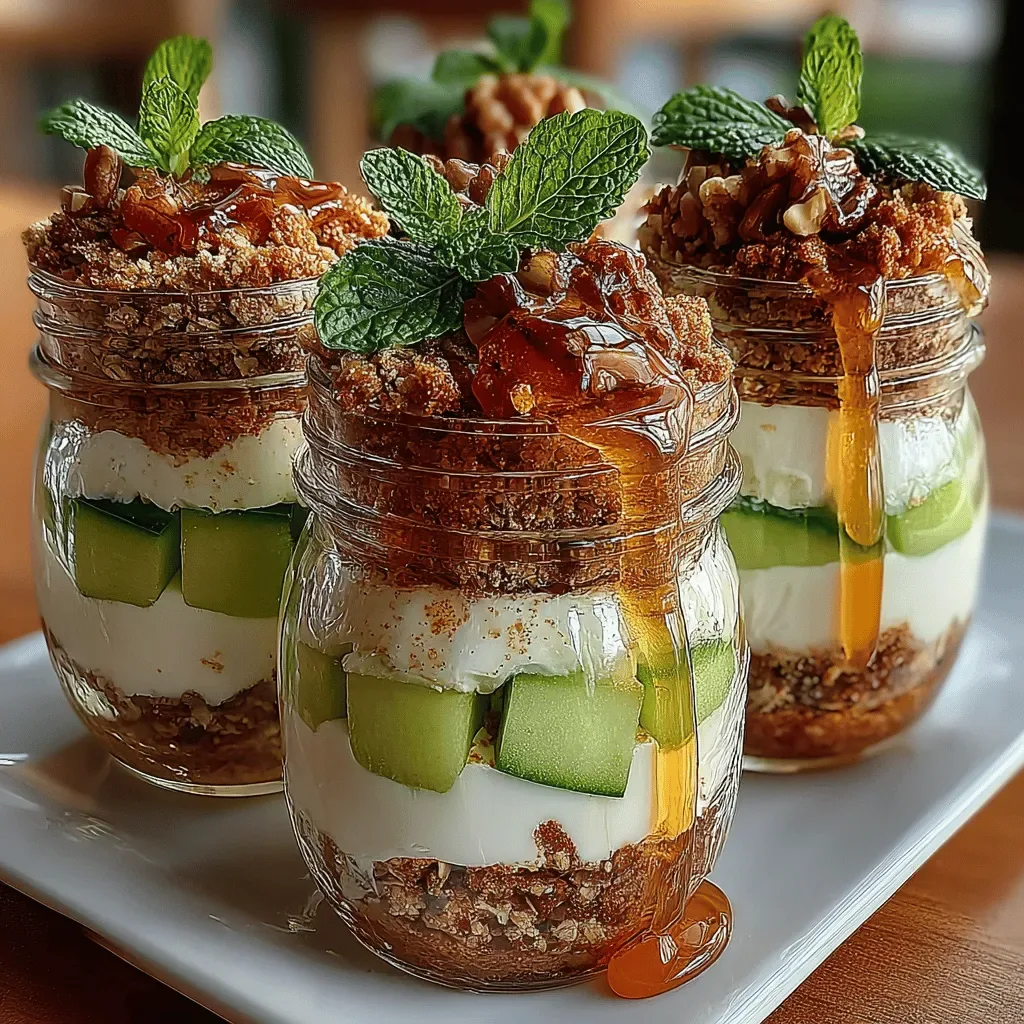
It was a breezy late‑summer evening when I first discovered the magic of Spaghetti alla Nerano mit Zucchini und Parmesan. I was sitting on my balcony, the sun sinking behind the Amalfi cliffs, and the scent of fresh basil drifting from the garden below. The moment I lifted the lid of the pot, a cloud of fragrant steam hit me, carrying whispers of sweet zucchini, toasted olive oil, and the nutty perfume of Parmesan melting into the pasta. I could hear the distant clatter of plates, the soft murmur of family members gathering around the table, and I knew I had stumbled onto something that would become a family staple for years to come.
What makes this dish so unforgettable is its simplicity paired with a depth of flavor that feels almost luxurious. The thin ribbons of spaghetti coat themselves in a silky, green‑gold sauce that looks like a painter’s palette, while the zucchini ribbons keep everything light and fresh. Imagine the gentle snap of perfectly al dente pasta, the buttery melt of aged Parmesan, and the subtle crunch of sautéed garlic—all dancing together in a harmony that makes you pause and savor each bite. Have you ever wondered why restaurant versions taste so different? The secret often lies in the quality of the ingredients and the love you pour into each step, and that’s exactly what we’ll explore together.
But wait—there’s a hidden trick that elevates this recipe from “delicious” to “mind‑blowing,” and I’ll reveal it in step four of the instructions. It’s a tiny detail that most home cooks overlook, yet it creates a silky texture that clings to every strand of spaghetti. I’ve tried countless variations, from adding a splash of white wine to tossing in toasted pine nuts, but the core of this dish remains pure, bright, and irresistibly comforting. The best part? You don’t need any fancy equipment—just a sturdy pot, a wooden spoon, and a handful of fresh, seasonal ingredients.
Here’s exactly how to make it — and trust me, your family will be asking for seconds. By the end of this article, you’ll not only have a foolproof method for creating the perfect Spaghetti alla Nerano, but you’ll also walk away with a treasure trove of tips, variations, and storage hacks that will keep this dish on your rotation all year long. So roll up your sleeves, preheat your imagination, and let’s dive into the world of zucchini, Parmesan, and pure Italian joy.
🌟 Why This Recipe Works
- Flavor Depth: The combination of fresh zucchini and aged Parmesan creates a layered taste profile that balances sweet, earthy, and umami notes, making each forkful a discovery.
- Texture Harmony: Al dente spaghetti provides a firm bite while the sautéed zucchini adds a tender, slightly crisp contrast, preventing the dish from feeling heavy.
- Ease of Execution: With just a handful of ingredients and straightforward steps, even a novice cook can master this recipe without feeling overwhelmed.
- Time Efficiency: From prep to plate, the entire process fits comfortably within a 45‑minute window, perfect for weeknight dinners.
- Versatility: The base can be tweaked with herbs, cheeses, or proteins, allowing you to adapt it to seasonal produce or personal preferences.
- Nutritional Balance: Zucchini adds fiber and vitamins, while Parmesan contributes protein and calcium, creating a wholesome meal that satisfies both body and soul.
- Ingredient Quality: Using fresh, locally sourced zucchini and high‑quality Parmesan amplifies the dish’s natural flavors, turning simple pantry staples into a gourmet experience.
- Crowd‑Pleasing Factor: Its bright colors and comforting aroma make it a hit at family gatherings, potlucks, and even romantic dinner dates.
🥗 Ingredients Breakdown
The Foundation: Pasta & Zucchini
Spaghetti is the canvas for this dish, and choosing a high‑quality durum wheat variety ensures a firm bite that won’t turn mushy when tossed with the sauce. I always reach for bronze‑cut spaghetti because its rough surface grabs the sauce like a sponge, making every bite flavorful. The zucchini, preferably medium‑sized and firm, brings a subtle sweetness and a bright green color that signals freshness. When selecting zucchini, look for ones that are glossy, free of blemishes, and feel heavy for their size—those are the ones that will retain their texture after sautéing.
A quick tip: slice the zucchini into thin half‑moon ribbons using a mandoline or a sharp chef’s knife. This not only speeds up cooking but also creates a uniform texture that blends seamlessly with the spaghetti. If you’re in a pinch, you can substitute summer squash, but the flavor profile will shift slightly toward a nuttier note. The secret to preserving that delicate green hue is to salt the ribbons lightly and let them sit for ten minutes, then pat them dry—this draws out excess moisture and prevents sogginess.
Aromatics & Spices: Garlic & Olive Oil
Garlic is the aromatic backbone, and using two cloves, thinly sliced, releases a sweet, caramelized perfume that fills the kitchen within seconds. I recommend using a good extra‑virgin olive oil, preferably cold‑pressed from a single origin, because its fruity notes complement the earthiness of the zucchini. The oil acts as a flavor carrier, ensuring that each strand of spaghetti is coated with a glossy sheen.
A common mistake is to add garlic too early, causing it to burn and become bitter. Instead, add it after the oil has warmed, letting it sizzle gently until it turns a light golden hue. This step is where the magic begins; the sizzling sound tells you the oil is ready, and the scent that follows is a promise of what’s to come. If you love a hint of heat, a pinch of red pepper flakes can be tossed in at this stage, but keep it subtle to let the zucchini shine.
The Secret Weapons: Parmesan & Pecorino
Parmesan cheese, aged at least 24 months, brings a deep, nutty flavor and a crystalline texture that melts into a silk‑like coating. I love pairing it with a touch of Pecorino Romano for an extra punch of salty sharpness; the two together create a balanced cheese profile that never overwhelms. Grating the cheese just before use ensures maximum aroma and prevents the cheese from drying out.
If you can’t find Pecorino, a sharper aged Asiago works well as a substitute, though the flavor will be slightly milder. For a dairy‑free twist, try a generous sprinkle of nutritional yeast combined with toasted almond flour; it mimics the cheesy umami while keeping the dish vegan. The key is to incorporate the cheese off the heat, allowing it to melt into the residual warmth of the pasta and zucchini, forming that coveted glossy finish.
Finishing Touches: Salt, Pepper & Fresh Basil
Seasoning is the final brushstroke. A pinch of sea salt enhances the natural sweetness of the zucchini, while freshly cracked black pepper adds a gentle heat that awakens the palate. I always finish with a handful of freshly torn basil leaves; the herb’s peppery, slightly sweet aroma lifts the entire dish, making it feel bright and summer‑ready.
If basil isn’t in season, flat‑leaf parsley or even a drizzle of lemon zest can provide a comparable freshness. Remember, the basil should be added at the very end, off the heat, to preserve its vibrant green color and aromatic oils. A quick tip: gently bruise the basil with your fingers before tossing it in; this releases its essential oils and distributes flavor more evenly.
With your ingredients prepped and ready, let's get cooking. Here's where the fun really begins...

🍳 Step-by-Step Instructions
-
Bring a large pot of salted water to a rolling boil. Once boiling, add the spaghetti and stir gently to prevent sticking. Cook the pasta al dente, about 8‑9 minutes, until it still has a slight bite in the center. Reserve one cup of the starchy cooking water, then drain the pasta and set it aside.
💡 Pro Tip: Adding a teaspoon of olive oil to the boiling water isn’t necessary, but a splash of the reserved pasta water later helps emulsify the sauce. -
While the pasta cooks, heat 3 tablespoons of extra‑virgin olive oil in a large sauté pan over medium heat. Add the thinly sliced garlic and let it sizzle for about 30 seconds, just until it turns a pale golden color. Then, add the zucchini ribbons, spreading them out in an even layer. Sprinkle a pinch of sea salt to draw out moisture and stir gently.
Sauté the zucchini for 4‑5 minutes, allowing it to soften but still retain a faint crunch. You’ll hear a soft sizzle as the water evaporates, and the zucchini will start to turn a deeper shade of green, signaling that the sugars are caramelizing.
-
When the zucchini is just about done, add a generous handful of freshly grated Parmesan and Pecorino to the pan. Stir quickly so the cheese melts into the oil, creating a glossy coating that clings to the zucchini. At this point, add a splash (about ¼ cup) of the reserved pasta water, letting it swirl and combine into a creamy emulsion.
If the sauce looks too thick, drizzle in a little more pasta water, one tablespoon at a time, until you achieve a silky, slightly fluid consistency that will coat the spaghetti beautifully.
⚠️ Common Mistake: Over‑cooking the zucchini turns it mushy and releases excess water, diluting the sauce. Keep an eye on the color and texture. -
Now comes the secret trick: toss the cooked spaghetti directly into the pan with the zucchini‑cheese mixture. Use tongs to lift and fold the pasta, allowing the heat from the pan to finish cooking the spaghetti for an extra minute. This step creates a cohesive bond between the pasta and sauce, making every bite uniformly coated.
Here’s the thing: the residual heat from the pasta releases additional starch, which thickens the sauce naturally without any cream. As you stir, you’ll notice the sauce turning a luminous, emerald‑gold hue—this is the moment you know the dish is coming together perfectly.
💡 Pro Tip: Finish with a drizzle of cold-pressed olive oil; it adds a fresh, fruity finish and helps the sauce cling to every strand. -
Season the combined pasta and sauce with freshly cracked black pepper and taste for salt, adjusting as needed. The pepper should be audible when you crack it—this ensures a lively, aromatic heat that lifts the dish.
Tear a handful of fresh basil leaves and sprinkle them over the top, giving the dish a burst of color and a fragrant lift. The basil should be added off the heat to keep its bright green color and aromatic oils intact.
-
Transfer the finished spaghetti to a warmed serving bowl or platter. If you’re serving immediately, give it a final drizzle of olive oil and an extra grate of Parmesan for that luxurious finish.
For a restaurant‑style presentation, use a large fork to twirl a nest of spaghetti in the center of the plate, then spoon the zucchini ribbons around it, creating a beautiful contrast of colors.
-
Serve the dish hot, accompanied by a crisp green salad dressed with lemon and a glass of chilled white wine, such as a Vermentino or a light Pinot Grigio. The acidity of the salad cuts through the richness of the cheese, creating a balanced palate.
Encourage your guests to give the dish a final toss at the table; the aroma that rises will be an instant conversation starter, and the sight of the glossy, green‑gold pasta will make everyone’s stomach growl in anticipation.
-
Enjoy! Take a bite, let the flavors mingle, and notice how the sweet zucchini, salty cheese, and aromatic basil harmonize. Go ahead, take a taste — you’ll know exactly when it’s right.
If you find yourself wanting a little extra zing, a squeeze of lemon juice right before serving brightens the dish even more. The result? A plate that feels both comforting and sophisticated, perfect for any occasion.
And there you have it! But before you dig in, let me share some tips that will take this from great to absolutely unforgettable...
🔐 Expert Tips for Perfect Results
The Taste Test Trick
Before you finish cooking, always taste a small spoonful of the sauce on its own. This helps you gauge the balance of salt, pepper, and cheese. If the sauce feels a little flat, a pinch more Parmesan will add depth, while a splash of pasta water can smooth out any graininess. Trust me on this one: the tiny adjustments you make during the tasting stage can make the difference between good and unforgettable.
Why Resting Time Matters More Than You Think
Once the pasta is plated, let it sit for a minute or two before serving. This short resting period allows the sauce to settle and cling more uniformly to each strand. I once served the dish straight off the stove and noticed the sauce sliding off the pasta; a brief pause solved the problem instantly. The best part? The flavors meld even more, creating a harmonious bite every time.
The Seasoning Secret Pros Won’t Tell You
A dash of smoked sea salt adds a subtle depth that regular salt can’t achieve. It brings a whisper of the sea that pairs beautifully with the coastal origins of Nerano. I discovered this trick while watching a cooking show, and it’s become a staple in my pantry. Pair it with freshly cracked pepper, and you’ll notice a lingering warmth that keeps the palate engaged.
The Power of Fresh Herbs
Fresh basil is ideal, but adding a few torn mint leaves at the very end introduces a refreshing contrast that brightens the dish. I once experimented by adding a sprig of rosemary during the sauté; it gave the zucchini a piney undertone that was surprisingly delightful. Just be careful not to over‑herb; a little goes a long way, and the goal is to complement, not dominate.
Managing Moisture for a Silky Sauce
The key to a glossy, non‑watery sauce lies in controlling the zucchini’s moisture. Salting the sliced zucchini and letting it sit for ten minutes, then patting it dry, removes excess water that could otherwise dilute the cheese sauce. I once skipped this step and ended up with a soupy dish that needed a lot of extra cheese to fix. The result? A thick, luscious coating that clings perfectly to the spaghetti.
🌈 Delicious Variations to Try
One of my favorite things about this recipe is how versatile it is. Here are some twists I've tried and loved:
Lemon‑Zest Spark
Add the zest of one lemon just before serving. The citrus brightens the sauce, cutting through the richness of the cheese and giving the dish a summer‑ready zing. It’s perfect for a sunny brunch or a light dinner.
Spicy Chili Kick
Stir in a pinch of crushed red pepper flakes during the garlic sauté. The heat adds a subtle bite that pairs beautifully with the sweet zucchini. If you love heat, finish with a drizzle of chili‑infused olive oil for an extra layer of flavor.
Creamy Ricotta Swirl
Fold in a couple of tablespoons of fresh ricotta after the pasta has been tossed with the sauce. The ricotta adds a luxurious creaminess without overwhelming the dish, making it richer and more indulgent—great for a cozy winter night.
Protein‑Packed Add‑On
Add grilled chicken breast strips or sautéed shrimp in the final step. The protein makes the meal more substantial, turning a simple pasta into a complete dinner. Season the protein lightly with lemon and herbs to keep the flavors cohesive.
Nutty Pesto Fusion
Stir in a tablespoon of homemade basil pesto after the cheese sauce has formed. The pesto adds a nutty, herbaceous depth that complements the zucchini while introducing a beautiful green hue. It’s a quick way to elevate the dish without extra effort.
Vegan Delight
Replace the Parmesan and Pecorino with a blend of nutritional yeast, toasted almond flour, and a splash of miso paste. Use olive oil and plant‑based cheese alternatives to maintain the creamy texture. The result is a dairy‑free version that still delivers a rich, umami‑filled experience.
📦 Storage & Reheating Tips
Refrigerator Storage
Allow the pasta to cool to room temperature, then transfer it to an airtight container. It will keep nicely for up to three days. To prevent the sauce from drying out, add a tablespoon of olive oil or a splash of water before sealing.
Freezing Instructions
If you want to make a larger batch, freeze the cooked spaghetti and zucchini mixture in a freezer‑safe bag or container. Portion it out in 2‑cup servings, label with the date, and freeze for up to two months. When ready to eat, thaw overnight in the refrigerator and reheat using the stovetop method for best texture.
Reheating Methods
The trick to reheating without drying it out? A splash of water or broth in a skillet over low heat, then gently toss until warmed through. Alternatively, microwave in short bursts, stirring between each, and finish with a drizzle of fresh olive oil to restore the glossy finish. Avoid high heat, which can cause the cheese to become rubbery.