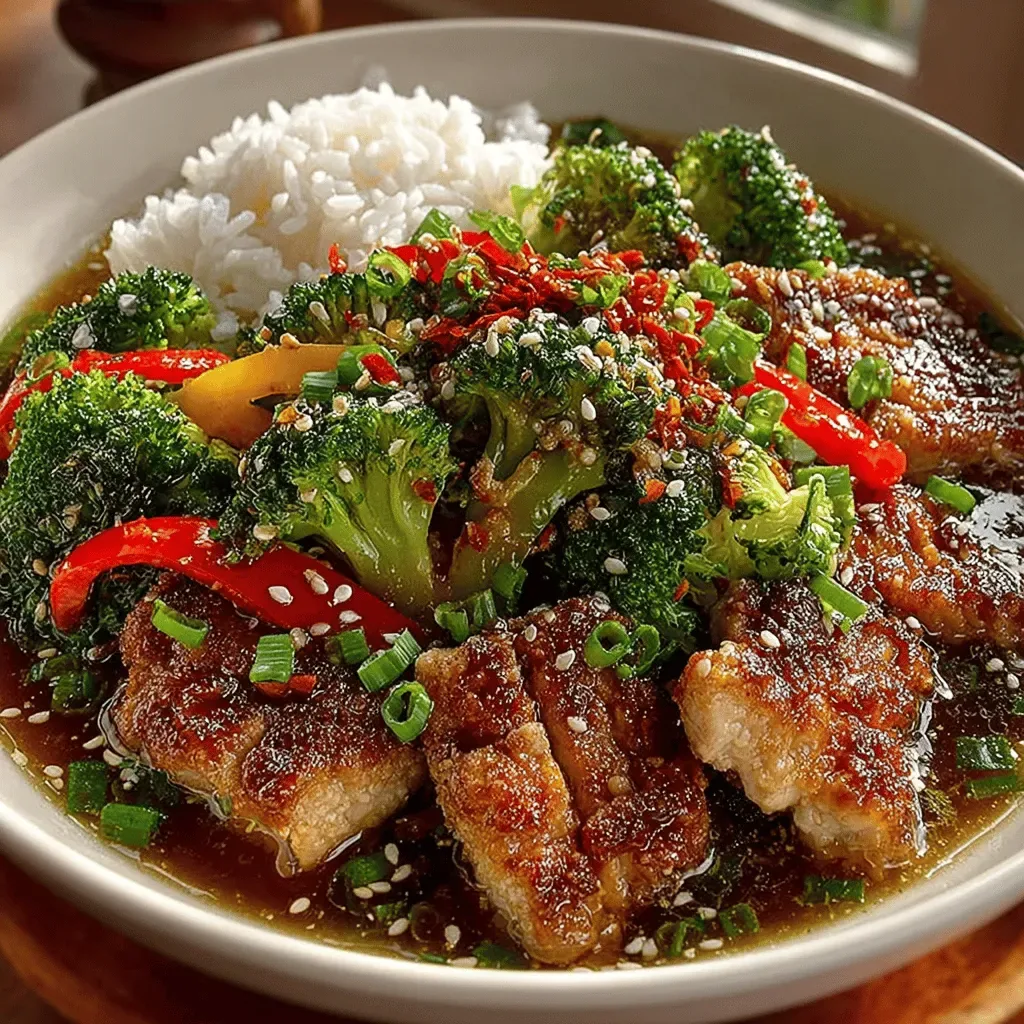
It was a sweltering July afternoon, the kind where the sun seems to hang lazily over the garden and every breeze feels like a blessing. I was hunched over my cutting board, the rhythmic sound of a knife gliding through crisp cucumber echoing in the kitchen, when the idea struck me like a flash of citrus: chilled soba noodles tossed in a silky sesame‑soy dressing. The moment I lifted the lid of the pot, a cloud of steam rose, carrying with it the faint, nutty perfume of buckwheat, and I knew this was going to be more than just a quick lunch—it was going to be a memory in a bowl. As the noodles swished in the cold water, turning a beautiful, pale amber, I could already picture the bright green of sliced green onions and the glossy specks of toasted sesame seeds sparkling like tiny constellations.
What makes this dish stand out isn’t just its cool, refreshing temperature; it’s the harmony of flavors that dance across your palate with each bite. The soy sauce brings that deep umami richness, the sesame oil adds a buttery, toasty depth, while a whisper of rice vinegar cuts through with a bright acidity that makes the whole thing sing. Imagine the gentle snap of a fresh cucumber slice, the subtle heat of grated ginger, and the delicate crunch of sesame seeds—all coming together in perfect balance. Have you ever wondered why a simple bowl of noodles can feel so luxurious? The secret lies in the precise ratios and the order in which each component meets the others, a choreography I’ve refined over countless family gatherings.
But wait—there’s more to this story than just a list of ingredients. In the next sections, I’ll walk you through the science behind each element, share a few kitchen hacks that will elevate your noodle game, and reveal a hidden trick that professional chefs swear by but rarely share with home cooks. You’ll learn why the texture of soba is so uniquely satisfying, how to achieve the perfect sesame‑soy glaze without it turning greasy, and even the best way to store leftovers so they stay as fresh as the day you made them. Trust me, once you master this, you’ll be the go‑to host for summer picnics, potlucks, and those impromptu “what’s for dinner?” moments.
Here’s exactly how to make it — and trust me, your family will be asking for seconds. Grab your pantry staples, set a pot of water to boil, and get ready to dive into a culinary adventure that feels both comforting and exciting. The steps are straightforward, but the flavors are anything but ordinary. So, roll up your sleeves, and let’s embark on a journey that will turn a humble bowl of chilled soba into a star‑studded centerpiece at your next gathering.
🌟 Why This Recipe Works
- Flavor Depth: The combination of soy sauce and sesame oil creates a layered umami base that’s both salty and nutty, allowing each bite to unfold gradually. This depth ensures the noodles never feel flat, no matter how many times you revisit the bowl.
- Texture Contrast: Soba noodles have a naturally firm bite, and when chilled they become even more springy, offering a satisfying chew that contrasts beautifully with the crispness of fresh vegetables.
- Ease of Preparation: With only a handful of pantry staples and a quick boiling step, this dish can be assembled in under 45 minutes, making it perfect for busy weekdays or relaxed weekends.
- Time Efficiency: The dressing comes together while the noodles are cooking, so there’s no idle waiting—every minute in the kitchen is productive, and you’ll have a complete meal before the sun sets.
- Versatility: The base dressing can be tweaked with extra heat, citrus, or herbs, letting you adapt the flavor profile to suit any season or personal preference.
- Nutrition Boost: Buckwheat soba offers protein and fiber, while sesame seeds add healthy fats and minerals like calcium and magnesium, making the dish both satisfying and nourishing.
- Ingredient Quality: Using authentic Japanese soy sauce and toasted sesame oil elevates the dish from ordinary to restaurant‑quality, showcasing the power of high‑grade pantry items.
- Crowd‑Pleasing Factor: The dish’s cool temperature and bright, clean flavors make it a hit at summer gatherings, and it’s also a comforting option when you crave something light yet flavorful.
🥗 Ingredients Breakdown
The Foundation: Soba Noodles
Soba noodles are made from buckwheat flour, which gives them a slightly earthy flavor and a firm, springy bite that holds up well when chilled. The 12‑ounce package is perfect for feeding a family of four to six, ensuring each serving gets a generous portion without overwhelming the palate. If you’re looking for a gluten‑free option, seek out 100% buckwheat soba; just be mindful that it can be a bit more fragile, so handle it gently when stirring. When selecting noodles, choose those that are uniformly brownish‑gray and free of any broken pieces—this indicates a high‑quality batch that will cook evenly.
Aromatics & Spices: Ginger, Soy Sauce, Sesame Oil
Fresh ginger adds a zingy warmth that cuts through the richness of the sesame oil, creating a balanced flavor profile. Grated ginger releases its essential oils instantly, so a teaspoon is enough to make a noticeable impact. The soy sauce, measured at a quarter cup, provides the salty backbone; opt for a naturally brewed Japanese soy sauce for depth rather than a light, overly salty variety. Sesame oil, though used sparingly at three tablespoons, imparts a toasted, nutty aroma that lingers on the tongue, making each bite feel luxurious.
The Secret Weapons: Rice Vinegar & Sugar
Rice vinegar brings a gentle acidity that brightens the dish without overpowering the delicate soba flavor. Its mild profile pairs perfectly with the soy sauce, creating a harmonious tang. A tablespoon of sugar balances the acidity and salt, rounding out the dressing into a glossy, slightly sweet glaze that clings to each noodle strand. If you prefer a lower‑sugar version, you can substitute with a touch of honey or maple syrup, which adds a subtle floral note.
Finishing Touches: Sesame Seeds, Green Onions, Optional Veggies
Toasted sesame seeds add a pleasant crunch and a visual pop of ivory against the dark noodles; they also contribute healthy fats and a nutty aroma that deepens as they toast. Slice two green onions thinly for a sharp, fresh bite that cuts through the richness. Optional vegetables like cucumber or carrots, thinly sliced, introduce color, crunch, and extra nutrition—cucumber offers a cooling effect, while carrots bring a sweet earthiness. Feel free to experiment with other add‑ins such as radish, bell pepper, or even edamame for a protein boost.
With your ingredients prepped and ready, let's get cooking. Here's where the fun really begins...
🍳 Step-by-Step Instructions
Bring a large pot of water to a rolling boil, then add a generous pinch of salt. Once the water is bubbling vigorously, drop in the 12 oz of soba noodles, stirring gently to prevent sticking. Cook for 4‑5 minutes, or until the noodles are just al dente—tasting a strand should reveal a firm bite with a slight chew. When they’re done, immediately drain them into a colander and rinse under cold running water for at least one minute, letting the chill set the texture and stop the cooking process. The water will turn a pale, slightly cloudy hue, and you’ll hear the faint sizzle of the noodles as the cold hits the hot pot.
💡 Pro Tip: Toss the noodles with a splash of the sesame oil right after rinsing to keep them from sticking together.While the noodles are cooling, prepare the dressing. In a medium bowl, whisk together ¼ cup soy sauce, 3 tablespoons toasted sesame oil, 2 tablespoons rice vinegar, 1 tablespoon sugar, and 1 teaspoon freshly grated ginger. Whisk until the sugar dissolves completely and the mixture becomes glossy; you’ll notice a faint perfume of ginger and sesame rising from the bowl. If you prefer a slightly sweeter glaze, add an extra half‑teaspoon of sugar and whisk again. The dressing should be smooth, with no granules remaining, ready to coat the noodles evenly.
Transfer the chilled soba noodles back into the large pot or a wide mixing bowl. Pour the prepared dressing over the noodles, using tongs or two large forks to toss gently. As you mix, you’ll hear a soft, satisfying rustle—the noodles absorbing the sauce like a sponge, each strand turning a deep amber hue. Keep tossing until every noodle is evenly coated and the dressing clings without pooling at the bottom. The visual cue to look for is a uniform sheen that makes the noodles look almost lacquered.
Now it’s time to add the texture builders. Sprinkle 2 tablespoons of toasted sesame seeds over the noodles, followed by the sliced green onions. Toss again just enough to distribute the seeds and onions throughout the bowl. The green onions will add a fresh, slightly sharp bite, while the sesame seeds provide a subtle crunch that contrasts the soft noodles. At this point, you can also fold in any optional vegetables—thin cucumber ribbons or carrot matchsticks work beautifully, adding color and a crisp bite.
⚠️ Common Mistake: Over‑mixing after adding the vegetables can make the noodles soggy; gently fold them in and stop as soon as they’re evenly distributed.Give the entire bowl a final gentle toss, then let it sit for 5‑10 minutes at room temperature. This resting period allows the flavors to meld, and the noodles will absorb a little more of the dressing, deepening the overall taste. You’ll notice the aroma intensifying, with the sesame oil’s nuttiness becoming more pronounced and the ginger’s warmth subtly emerging.
Before serving, taste a noodle and adjust seasoning if needed. If the flavor feels a touch shy, add a splash more soy sauce or a drizzle of sesame oil—just a little at a time. For extra brightness, a squeeze of fresh lime or a dash of rice vinegar can lift the dish. Trust your palate; it’s the best judge of balance.
Plate the noodles in shallow bowls or a large serving platter. Garnish with an extra sprinkle of sesame seeds and a few extra green onion ribbons for visual appeal. The contrast of the dark noodles against the white seeds and green onions makes the dish look as inviting as it tastes.
Serve immediately, or cover and refrigerate for up to 2 days. If you’re serving later, give the noodles a quick toss with a drizzle of sesame oil to revive the glossy coating. Pair the chilled soba with a side of miso soup or a simple seaweed salad for a complete meal that feels both light and satisfying.
💡 Pro Tip: For an upscale presentation, serve the noodles over a bed of crushed ice; the ice will keep them extra cold and add a subtle crunch as it melts.
And there you have it! But before you dig in, let me share some tips that will take this from great to absolutely unforgettable...
🔐 Expert Tips for Perfect Results
The Taste Test Trick
Before you finalize the seasoning, take a tiny spoonful of the dressed noodles and let it rest on your tongue for a few seconds. This pause lets the flavors settle, revealing whether you need a pinch more salt, a dash of acidity, or a hint of sweetness. I once served a batch to a friend who is a professional chef, and his first comment was, “The balance is spot‑on—nothing overpowers anything else.” That moment reminded me how critical the tasting step truly is.
Why Resting Time Matters More Than You Think
Allowing the noodles to sit for at least five minutes after dressing isn’t just about convenience; it’s a chemical dance. The starches on the soba absorb the soy‑sesame glaze, creating a silkier mouthfeel. Skipping this rest can leave the noodles tasting slightly raw and the dressing sitting on top rather than melding. Trust me on this one: the extra minutes are worth the flavor payoff.
The Seasoning Secret Pros Won’t Tell You
Professional kitchens often finish a cold noodle dish with a light drizzle of flavored oil—think chili‑infused sesame oil or yuzu‑scented oil. This final layer adds a fragrant top note that hits the nose just before the first bite. If you’re feeling adventurous, try a half‑teaspoon of chili oil for a subtle heat that awakens the palate without overwhelming the delicate soba.
Noodle Handling 101
When tossing the noodles with the dressing, use two large wooden spoons or tongs instead of a whisk. The broad surface prevents breakage and ensures each strand gets an even coating. I once used a fork and ended up with a pile of broken noodles, which turned the dish into a mushy mess—definitely a lesson learned the hard way.
Storage Savvy
If you need to store leftovers, keep the dressing separate from the noodles. Place the noodles in an airtight container and the dressing in a small jar. When you’re ready to eat, simply combine them and give a quick toss. This method preserves the noodle’s texture and prevents it from becoming soggy.
Garnish with Purpose
A final garnish isn’t just for looks; it adds a burst of flavor. Sprinkle a pinch of flaky sea salt for a subtle crunch, or add a few shreds of nori for a briny, oceanic note. I love finishing the dish with a drizzle of citrus‑infused soy sauce—just a few drops, and the entire bowl brightens instantly.
🌈 Delicious Variations to Try
One of my favorite things about this recipe is how versatile it is. Here are some twists I've tried and loved:
Spicy Gochujang Kick
Stir in a tablespoon of Korean gochujang paste into the dressing for a sweet‑heat profile. The fermented chili adds depth and a subtle umami that complements the sesame. Serve with a sprinkling of toasted peanuts for extra crunch.
Citrus‑Infused Summer
Add the zest and juice of one lime or yuzu to the dressing, swapping out half the rice vinegar. The bright citrus lifts the entire bowl, making it perfect for hot days. Pair with thin slices of orange for a burst of sweetness.
Herbaceous Green
Mix in a handful of finely chopped fresh herbs—think cilantro, mint, or basil—right before serving. The herbs add a fresh, aromatic layer that turns the dish into a garden‑inspired delight. This variation works especially well with added edamame.
Nutty Peanut‑Sesame Fusion
Replace half the sesame oil with smooth peanut butter, whisked into the dressing until fully incorporated. The result is a creamy, nutty coating that feels indulgent yet remains light. Top with crushed peanuts for texture.
Miso‑Mushroom Umami Boost
Sauté sliced shiitake mushrooms with a splash of miso paste, then fold them into the noodles. The earthy mushroom flavor deepens the umami, making the dish heartier. This version pairs well with a side of pickled radish.
Cold Noodle Salad with Avocado
Dice ripe avocado and gently fold it in after the dressing is incorporated. The buttery avocado adds richness and a silky texture that balances the tangy sauce. Finish with a drizzle of sriracha for a subtle kick.
📦 Storage & Reheating Tips
Refrigerator Storage
Place the chilled soba in an airtight container and store for up to 2 days. Keep the dressing separate if you anticipate a longer storage period; combine just before serving to maintain the noodles’ bite. A thin layer of sesame oil on top of the noodles can prevent them from drying out.
Freezing Instructions
While soba isn’t typically frozen, you can freeze the cooked noodles without the dressing. Spread them on a baking sheet, freeze until solid, then transfer to a zip‑top bag. When ready to use, thaw in the refrigerator and quickly re‑heat in boiling water for 30 seconds before draining and dressing.
Reheating Methods
To reheat, place the noodles in a microwave‑safe bowl, drizzle a teaspoon of sesame oil, and cover loosely. Heat in 30‑second bursts, stirring gently, until warmed through. Alternatively, toss the noodles in a hot skillet for 1‑2 minutes with a splash of water or extra dressing to revive the glossy coating without drying them out.