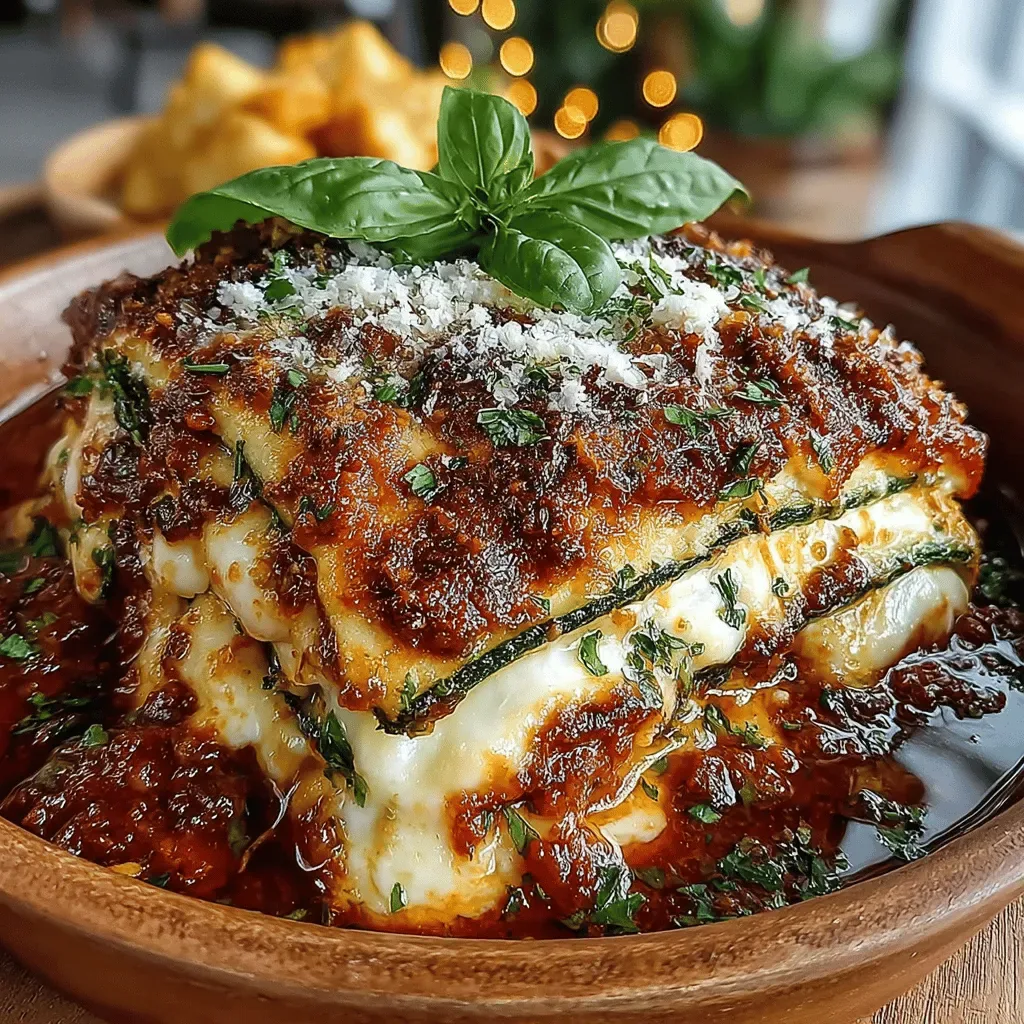
It was one of those evenings when the sky outside was a deep, bruised violet, and the wind whispered through the cracked windows of my old kitchen. I was pulling a pot of simmering broth from the stove when the scent of garlic and onions rose like an old friend, instantly transporting me back to my grandmother’s tiny apartment where she would pull out a bottle of red wine and let it dance with meatballs for hours. The moment you lift the lid, a cloud of fragrant steam hits you, swirling with the sweet‑tart perfume of tomatoes and the earthy richness of wine, and you can almost hear the soft sigh of the sauce as it settles into a glossy, ruby‑red lullaby. That memory sparked the idea for this recipe: a cozy, heart‑warming dish that feels like a hug in a bowl, perfect for chilly nights when you crave something both comforting and elegant.
What makes these red wine braised meatballs truly irresistible is the way the flavors meld together over a gentle simmer, creating layers that unfold with each bite. Imagine sinking your teeth into a tender, juicy meatball that’s been soaked in a sauce so deep and complex that the wine’s tannins balance the acidity of the tomatoes, while the herbs add a fresh, bright finish. The sauce itself is a symphony of aromas: the sharp bite of garlic, the subtle sweetness of caramelized onions, and the faint, smoky whisper of the wine as it reduces. As the meatballs bathe in this luscious bath, they absorb every nuance, resulting in a dish that’s both hearty and refined—a perfect centerpiece for a family dinner or a romantic night in.
But wait, there’s a secret trick that elevates this dish from good to unforgettable, and I’ll reveal it in just a moment. Have you ever wondered why restaurant versions of braised meatballs taste so different, even when the ingredients seem identical? The answer lies in a few subtle techniques that most home cooks overlook, like the timing of the wine addition and the importance of a gentle, steady simmer. I’ll walk you through each of these steps, sharing the little hacks that have saved my sauce from turning flat and the mishaps that taught me the value of patience.
Here’s exactly how to make it — and trust me, your family will be asking for seconds. From the moment you start mixing the meatball mixture to the final garnish of fresh parsley, each stage is designed to build flavor, texture, and that cozy feeling you crave on a cold night. So grab a bottle of your favorite red, roll up your sleeves, and let’s dive into a culinary adventure that will leave your kitchen smelling like a rustic bistro and your hearts full of warmth.
🌟 Why This Recipe Works
- Flavor Depth: The combination of red wine and canned tomatoes creates a rich, layered sauce that deepens as it simmers, allowing the meatballs to absorb a complex blend of sweet, acidic, and savory notes.
- Texture Harmony: Ground beef provides a tender bite, while the gentle braising keeps the meatballs moist, preventing the dreaded dry texture that can happen with quick‑fry methods.
- Ease of Preparation: All the components can be prepped in under 15 minutes, and the cooking process is mostly hands‑off, giving you time to set the table or enjoy a glass of wine.
- Time Efficiency: The total cooking time stays under an hour, making it perfect for weeknight meals without sacrificing depth of flavor.
- Versatility: This dish can be served over polenta, mashed potatoes, pasta, or even crusty bread, adapting to whatever pantry staples you have on hand.
- Nutrition Balance: Using lean ground beef, fresh herbs, and a modest amount of wine provides protein, antioxidants, and a comforting dose of healthy fats.
- Ingredient Quality: Simple, high‑quality ingredients like fresh parsley and a good‑bottled red wine make a huge difference, turning a humble dish into a gourmet experience.
- Crowd‑Pleasing Factor: The aromatic steam, deep color, and succulent bite appeal to both kids and adults, making it a reliable go‑to for gatherings.
🥗 Ingredients Breakdown
The Foundation
The star of this dish is the 1 lb ground beef, which provides the base texture and protein. I prefer an 80/20 lean‑to‑fat ratio because the little bit of fat keeps the meatballs moist and flavorful as they braise. If you’re looking for a leaner option, you can swap in ground turkey or a mix of beef and pork, but be mindful that the sauce may need an extra splash of broth to stay silky. When selecting beef, look for a deep pink color and a faint, clean scent—signs of freshness that will translate into a richer taste.
Aromatics & Spices
1/4 cup fresh parsley is added at the end for a burst of bright, herbaceous flavor that lifts the heaviness of the wine. Fresh parsley also adds a pop of green color that makes the dish look as inviting as it tastes. If parsley isn’t your thing, fresh basil or cilantro can be used, each bringing its own aromatic twist. The 1 medium onion and 3 cloves garlic are the aromatic backbone; they should be finely diced so they melt into the sauce, releasing sweet and pungent notes that marry perfectly with the wine’s fruitiness. Salt and pepper “to taste” are essential for seasoning layers—don’t be shy, taste as you go to ensure balanced seasoning.
The Secret Weapons
1 cup red wine is the hero of this recipe, providing acidity, depth, and a subtle fruitiness that transforms a simple tomato sauce into something restaurant‑worthy. Choose a wine you enjoy drinking; the flavors will concentrate as the sauce reduces, so a good bottle makes a big difference. The 28 oz canned tomatoes bring a sweet, tangy base and a velvety texture; I love using whole peeled tomatoes that you crush by hand for a rustic feel. Finally, 1 cup beef broth adds richness and helps thin the sauce just enough to coat each meatball without becoming watery. If you’re short on broth, a splash of water with a pinch of bouillon works in a pinch.
Finishing Touches
A final drizzle of olive oil just before serving adds a silky sheen and a hint of fruit‑forward flavor that rounds out the dish. If you want a touch of heat, a pinch of red pepper flakes can be stirred in with the tomatoes for a subtle kick. For a richer mouthfeel, a tablespoon of butter melted into the sauce at the end creates a glossy finish that looks restaurant‑level. And don’t forget a sprinkle of extra parsley on top—its fresh, slightly peppery taste brightens every bite, making the dish feel lighter despite its hearty nature.
With your ingredients prepped and ready, let's get cooking. Here's where the fun really begins...

🍳 Step-by-Step Instructions
-
Start by gathering all your ingredients on the counter; this mise en place habit saves you from scrambling mid‑cook. Finely dice the onion and mince the garlic, then set them aside in a small bowl. While you’re at it, give the parsley a quick rinse and pat it dry, then chop it roughly—no need for a perfect dice, just enough to release its aroma later. Trust me, having everything within arm’s reach makes the process flow like a well‑orchestrated symphony.
💡 Pro Tip: If you’re using a food processor for the meat mixture, pulse the onion and garlic together with the beef for a more integrated flavor. -
In a large mixing bowl, combine the ground beef, half of the chopped parsley, a pinch of salt, and a generous grind of black pepper. Gently fold the mixture with your hands until just combined—over‑mixing can make the meatballs tough, a mistake I learned the hard way when I once kneaded the meat for minutes and ended up with rubbery spheres. Form the mixture into uniform golf‑ball sized meatballs; this size ensures they cook evenly and absorb the sauce fully. Place the meatballs on a parchment‑lined tray, ready for browning.
⚠️ Common Mistake: Crowding the pan during browning will steam the meatballs instead of searing them, resulting in a dull color and less flavor. -
Heat a large, heavy‑bottomed Dutch oven or deep skillet over medium‑high heat and add two tablespoons of olive oil. Once the oil shimmers, add the meatballs in batches, giving each batch enough space to turn golden brown on all sides—listen for that satisfying sizzle, a sign they’re forming a flavorful crust. After about 3‑4 minutes per side, remove the browned meatballs with a slotted spoon and set them aside; they’ll finish cooking in the sauce, soaking up every nuance.
-
In the same pot, reduce the heat to medium and add the diced onion. Stir frequently, letting the onion soften and turn translucent—after about 5 minutes, it should start to caramelize at the edges, releasing a sweet, nutty aroma that signals the base is building. Add the minced garlic and cook for another minute, just until it becomes fragrant but not browned. This is where the magic starts to happen; the combination of onion and garlic creates a flavor foundation that will support the wine’s complexity.
💡 Pro Tip: Deglaze the pan with a splash of red wine now, scraping up any browned bits—those are flavor gold. -
Pour the full cup of red wine into the pot, letting it bubble up and reduce by half, which should take about 3‑4 minutes. As the wine reduces, you’ll notice a sweet‑tart aroma rising, and the liquid will thicken slightly, concentrating its flavor. This reduction step is crucial; it prevents the final sauce from tasting raw and ensures the wine’s character shines through without overwhelming the dish.
-
Add the canned tomatoes (with their juices) and the beef broth, stirring to combine everything into a cohesive sauce. Bring the mixture to a gentle simmer, then return the browned meatballs to the pot, nestling them into the sauce. Cover the pot with a lid and let it braise for 20‑25 minutes, occasionally giving the pot a gentle shake to make sure the meatballs stay immersed. You’ll hear a faint bubbling sound—this is the sauce working its magic, tenderizing the meatballs and melding the flavors.
-
After the braising time, uncover the pot and check the sauce’s consistency; it should be thick enough to coat the back of a spoon but still glossy. If it looks too thin, increase the heat to medium‑high and let it reduce for an additional 5‑7 minutes, stirring occasionally. Taste and adjust the seasoning with a pinch more salt and pepper if needed. Finally, stir in the remaining parsley and a drizzle of high‑quality olive oil, which adds a silky finish and brightens the flavors.
-
Serve the meatballs hot, spooning generous amounts of the luscious sauce over a bed of creamy polenta, buttery mashed potatoes, or al dente pasta. Garnish with an extra sprinkle of fresh parsley and perhaps a grind of black pepper for added aroma. The result? A dish that smells like a cozy French bistro, tastes like a celebration, and feels like a warm hug on a cold night. And there you have it! But before you dig in, let me share some tips that will take this from great to absolutely unforgettable...
🔐 Expert Tips for Perfect Results
The Taste Test Trick
Before you add the final pinch of salt, take a spoonful of the sauce and let it cool for a moment. This small pause allows your palate to reset, making it easier to detect whether the seasoning is balanced. I once served a batch that was a shade too acidic; a quick taste and a dash of sugar corrected it instantly. Trust your senses, and remember that the wine’s acidity can be tamed with a tiny sweetener if needed.
Why Resting Time Matters More Than You Think
After the meatballs finish braising, let them rest in the sauce for five minutes off the heat. This resting period lets the juices redistribute, ensuring each bite is juicy rather than dry. I used to rush straight to the table, only to notice the meatballs were a bit stiff; now I always give them a short pause, and the texture improves dramatically.
The Seasoning Secret Pros Won’t Tell You
A pinch of smoked paprika added at the very end introduces a subtle, smoky undertone that complements the wine’s fruit notes without overpowering the dish. It’s a secret I picked up from a chef friend who swears by it for braised dishes. Try it once, and you’ll hear the “ah‑ha!” moment in your own kitchen.
The Importance of a Good Wine
Never substitute cooking wine with a cheap, overly sweet variety. The quality of the wine dictates the depth of the final sauce; a bottle you’d enjoy sipping will bring nuanced fruit and tannin that a “cooking wine” simply can’t match. If you’re unsure, choose a wine you’d serve with a steak—its robust character stands up to the long simmer.
Mind the Simmer
A gentle simmer, not a rolling boil, is key. A vigorous boil can cause the meatballs to break apart and the sauce to become grainy. Keep the heat low enough that tiny bubbles rise to the surface slowly; this gentle dance ensures the meat stays whole and the sauce stays silky.
Don’t Forget the Finish
A final drizzle of extra‑virgin olive oil right before serving adds a fresh, fruity brightness that lifts the whole dish. It also creates a beautiful sheen that makes the sauce look restaurant‑ready. I love the contrast of the oil’s green hue against the deep red sauce—it’s a visual cue that the meal is truly special.
🌈 Delicious Variations to Try
One of my favorite things about this recipe is how versatile it is. Here are some twists I've tried and loved:
Mushroom Medley Magic
Add a cup of sliced cremini mushrooms when you sauté the onions. The mushrooms soak up the wine and release earthy umami, turning the sauce into a forest‑floor delight. This variation pairs wonderfully with a side of buttery egg noodles.
Spicy Southwest Spin
Stir in a teaspoon of chipotle in adobo sauce and a half‑teaspoon of cumin with the tomatoes. The smoky heat adds a bold kick, perfect for serving over creamy corn polenta. It’s a great way to bring a bit of Southwestern flair to a classic.
Herb‑Infused Elegance
Swap the parsley for a mixture of fresh thyme, rosemary, and oregano. These herbs lend a fragrant, piney note that pairs beautifully with the wine’s fruitiness. Garnish with a sprig of rosemary for an aromatic finish.
Cheesy Comfort
Stir in half a cup of grated Parmesan cheese just before serving. The cheese melts into the sauce, adding a salty, nutty richness that makes the dish feel indulgent. Serve over a bed of risotto for an extra comforting experience.
Red Wine Reduction Glaze
After removing the meatballs, increase the heat and reduce the remaining sauce to a thick glaze, then drizzle it over the plated meatballs. This intensifies the wine flavor and creates a glossy finish that looks impressive on a dinner party table.
📦 Storage & Reheating Tips
Refrigerator Storage
Allow the meatballs and sauce to cool to room temperature before transferring them to an airtight container. They’ll keep nicely for up to three days. When reheating, add a splash of beef broth or water to loosen the sauce, then gently warm on the stovetop over low heat, stirring occasionally.
Freezing Instructions
For longer storage, portion the meatballs and sauce into freezer‑safe bags or containers. Freeze in a single layer first, then stack once solid. They’ll retain quality for up to three months. To reheat, thaw overnight in the fridge, then simmer gently, adding a bit more wine or broth if the sauce looks thick.
Reheating Methods
The trick to reheating without drying it out? A splash of broth or a drizzle of olive oil, then cover the pot and heat slowly on the stove. Microwaving works in a pinch, but stirring every 30 seconds and covering with a damp paper towel prevents uneven heating. For a crispier finish, you can briefly broil the meatballs after they’re heated through, just to revive that golden exterior.