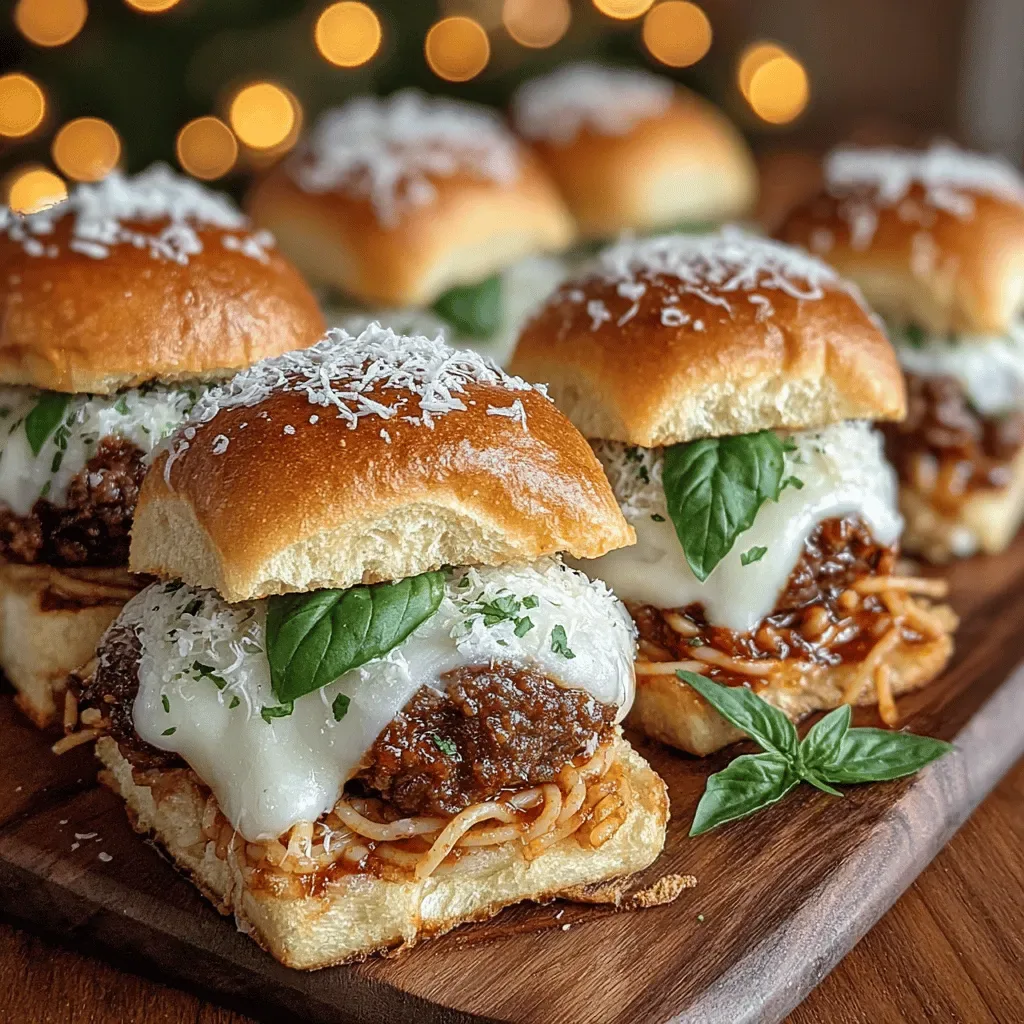
The first time I made these glazed meatballs, it was a chilly Saturday evening when the scent of simmering garlic and caramelized honey drifted through the whole house. I remember the moment I lifted the lid off the pan and a cloud of fragrant steam hit me, carrying whispers of sweet‑tart glaze and buttery cream that made my stomach do a little happy dance. My teenage kids were gathered around the kitchen island, eyes wide with anticipation, and I could already hear the clatter of forks and the inevitable request for seconds before the first bite was even taken. That night, the dish became more than a dinner; it turned into a memory of laughter, warm conversation, and the comforting feeling that home‑cooked meals can create a tiny sanctuary from the hustle of the world.
What makes this recipe truly special is the marriage of two seemingly opposite worlds: a glossy, slightly sticky glaze that delivers a burst of sweet‑savory flavor, and a luxuriously creamy garlic sauce that coats each bite like a silky veil. Imagine tender, juicy meatballs that have a caramel‑kissed exterior, then get dunked into a sauce that sings with buttery richness, roasted garlic, and a hint of Parmesan that melts in your mouth. The contrast of textures—slightly crisp on the outside, melt‑in‑your‑mouth soft inside—creates an unforgettable mouthfeel that keeps you reaching for more. And the best part? You don’t need a professional kitchen; just a skillet, a few pantry staples, and a pinch of love.
But wait—there’s a secret technique that elevates the glaze from good to show‑stopping, and I’m going to reveal it in step four of the instructions. Have you ever wondered why restaurant versions of glazed meatballs have that perfect shine and depth of flavor? The answer lies in a simple balance of acidity, sweetness, and a splash of umami that you’ll discover as we go. Trust me, once you master that, you’ll be the go‑to host for any gathering, and your friends will be asking for the recipe before the night is even over.
Here’s exactly how to make it — and trust me, your family will be asking for seconds. Grab a bowl, preheat your skillet, and let’s dive into the step‑by‑step journey that will transform ordinary ground meat into a dinner masterpiece that sings with flavor, texture, and pure comfort.
🌟 Why This Recipe Works
- Flavor Depth: The combination of soy sauce, Worcestershire, and paprika builds layers of umami, smokiness, and subtle heat that linger on the palate long after the last bite. Each ingredient contributes its own nuance, turning simple meat into a flavor powerhouse.
- Texture Harmony: Breadcrumbs soaked in milk keep the meatballs tender, while a quick sear creates a caramelized crust that adds a satisfying bite. The glaze adds a glossy finish that locks in moisture, preventing dryness.
- Effortless Elegance: Despite the gourmet appearance, the recipe uses everyday pantry items, meaning you can pull it together on a weeknight without a trip to the specialty store. The steps are straightforward, yet the result feels restaurant‑worthy.
- Time‑Smart: With a total cooking time under an hour, you can have a hearty, comforting dinner ready even after a busy day. The glaze and sauce can be prepared while the meatballs rest, maximizing efficiency.
- Versatility: The meatball base can be adapted with different proteins or spices, and the sauce can be tweaked to be spicier, tangier, or even dairy‑free if needed. This makes the dish suitable for a wide range of dietary preferences.
- Nutrition Balance: Lean ground beef combined with a modest amount of cream and Parmesan provides protein, healthy fats, and a satisfying richness without overwhelming calories. The dish pairs beautifully with a side of greens or whole grains for a complete meal.
- Crowd‑Pleaser Factor: Sweet, savory, and creamy—these three pillars hit the universal comfort zones that most people love. Whether it’s a family dinner or a small gathering, this dish consistently earns applause.
- Seasonal Flexibility: The flavors work beautifully year‑round, making it a reliable go‑to whether you’re craving warmth on a cold night or a bright, satisfying meal in summer. The glaze’s acidity can be adjusted to match seasonal produce.
🥗 Ingredients Breakdown
The Foundation: Meat & Binding Agents
Ground beef (or a mix of beef and pork) serves as the backbone of the meatballs, providing a rich, meaty flavor and a satisfying bite. The fat content in the meat is crucial; it keeps the balls juicy and prevents them from drying out during the sear. If you prefer a leaner option, you can substitute half the beef with ground turkey, but be sure to add a touch more oil to compensate for the reduced fat.
Egg acts as a binder, creating a cohesive mixture that holds together when you roll the balls. It also adds a subtle richness that complements the meat’s natural flavor. For a vegan twist, a flax egg (1 tbsp ground flaxseed mixed with 3 tbsp water) works surprisingly well, though the texture will be slightly different.
Aromatics & Spices: Building the Flavor Base
Finely grated onion brings moisture and a gentle sweetness that balances the savory components. When the onion cooks, its natural sugars caramelize, adding depth to each bite. If you’re sensitive to raw onion’s bite, you can sweat it in a bit of butter before mixing it in.
Garlic, minced to a fine paste, infuses the meat with a robust aroma that pairs beautifully with the creamy sauce later on. The key is to avoid burning it; a quick sauté in butter releases its essential oils without turning bitter. For an extra layer of complexity, try adding a pinch of roasted garlic powder alongside fresh garlic.
Paprika, soy sauce, and Worcestershire sauce are the trio that brings smoky, salty, and umami notes to the meatball mixture. Paprika adds a warm, earthy hue while soy sauce delivers that deep salty richness, and Worcestershire introduces a subtle tang that brightens the overall profile. Adjust the paprika amount if you prefer a milder or smokier taste.
The Secret Weapons: Sweet Glaze & Creamy Sauce
Honey (or brown sugar) is the star of the glaze, providing a caramelized sweetness that clings to each meatball. The natural sugars caramelize quickly, creating that irresistible glossy finish. If you’re watching sugar intake, a drizzle of maple syrup can substitute without sacrificing the glaze’s sheen.
Ketchup adds tang and a subtle tomato backdrop, balancing the honey’s sweetness and giving the glaze its characteristic ruby color. Rice vinegar (or apple cider vinegar) introduces a bright acidity that cuts through the richness, preventing the dish from feeling heavy. A pinch of chili flakes can be tossed in for those who love a gentle heat that tingles the palate.
Butter, heavy cream, and Parmesan combine to form the velvety garlic sauce that envelops the meatballs. Butter sautéed garlic creates a fragrant base, while heavy cream adds body and a luxurious mouthfeel. Parmesan brings a salty, nutty finish that elevates the sauce from simple to spectacular.
Finishing Touches: Garnish & Freshness
Fresh chives or green onions are sprinkled on top just before serving, adding a pop of color and a bright, oniony bite that cuts through the richness. Their mild flavor lifts the dish, making each forkful feel lighter. If you’re feeling adventurous, a squeeze of fresh lemon juice at the end can add an extra zing.
Salt & pepper are the unsung heroes that bring all the flavors together, ensuring each component shines without being muted. Season the meat mixture lightly at first; you can always adjust after searing if needed. Remember, the glaze already contains soy sauce, which adds salt, so taste before adding more.
With your ingredients prepped and ready, let's get cooking. Here's where the fun really begins...

🍳 Step-by-Step Instructions
-
Start by gathering all your ingredients and setting up a clean workspace. In a large mixing bowl, combine the ground beef (or beef‑pork blend) with the finely grated onion, minced garlic, and a generous pinch of salt and pepper. Add the egg, a splash of milk, and the breadcrumbs, then gently fold everything together until just combined; over‑mixing can make the meatballs tough.
Here’s the thing: the breadcrumbs should be slightly damp from the milk, creating a tender crumb that keeps the meatballs moist. If the mixture feels too dry, drizzle a little more milk, one tablespoon at a time. Once the texture feels cohesive but still slightly loose, cover the bowl with plastic wrap and let it rest for 10 minutes while you prepare the glaze.
-
While the mixture rests, whisk together the glaze ingredients in a small saucepan: honey (or brown sugar), ketchup, soy sauce, Worcestershire sauce, rice vinegar, and a pinch of chili flakes if you like heat. Bring the mixture to a gentle simmer over medium‑low heat, stirring constantly to avoid scorching.
Now, here's where it gets interesting: as the glaze bubbles, the sugars will start to caramelize, turning a deep amber color. This is the moment you’ll hear a faint crackle—sign that the glaze is reaching the perfect consistency. Reduce the heat and let it thicken for another 2‑3 minutes, then set aside.
💡 Pro Tip: If the glaze looks too thick, whisk in a teaspoon of warm water; if too thin, let it simmer a minute longer. You want it glossy enough to coat the back of a spoon. -
Shape the meat mixture into uniform balls, about 1‑inch in diameter. This size ensures they cook evenly and develop that coveted caramelized crust without overcooking the interior. Place the balls on a parchment‑lined tray, covering them loosely with plastic wrap to keep them from drying out while you heat the skillet.
I once tried making them too large, and the result was a beautifully browned exterior with a raw center—definitely a lesson learned! Use a cookie scoop or your hands to keep them consistent; the visual uniformity also makes plating look professional.
-
Heat a large skillet over medium‑high heat and add a tablespoon of oil (vegetable or canola works well). Once the oil shimmers, gently place the meatballs in a single layer, making sure they don’t touch. Let them sear undisturbed for 2‑3 minutes; you’ll hear a satisfying sizzle as the surface begins to caramelize.
Then, turn the meatballs using tongs, allowing each side to develop a golden‑brown crust. This step is crucial for flavor development—those browned bits, known as fond, will later mingle with the glaze, adding depth. After all sides are browned (about 8‑10 minutes total), reduce the heat to medium‑low.
⚠️ Common Mistake: Overcrowding the pan causes the meatballs to steam instead of sear, resulting in a pale exterior and soggy texture. Work in batches if necessary. -
Once the meatballs are beautifully browned, pour the prepared glaze over them, tossing gently to coat each ball evenly. The glaze should bubble around the edges, clinging to the meatballs and creating a glossy sheen. Let the glaze simmer for another 3‑4 minutes, allowing it to thicken and caramelize onto the meatballs.
The aroma at this point is intoxicating—a sweet‑savory perfume that makes your kitchen feel like a five‑star bistro. Keep an eye on the heat; if the glaze starts to burn, lower the flame and stir occasionally. When the glaze becomes sticky and clings like a thin film, the meatballs are ready for the next stage.
-
While the glaze finishes, start the creamy garlic sauce. Melt butter in a separate saucepan over medium heat, then add the minced garlic, sautéing until fragrant and lightly golden—about 30 seconds. Be careful not to let the garlic brown; you want a sweet, mellow flavor, not bitterness.
Next, pour in the heavy cream, stirring constantly. As the cream begins to thicken, grate in a generous handful of Parmesan, letting it melt into the sauce. The sauce should coat the back of a spoon, shimmering with a velvety texture. Finish with a pinch of salt, pepper, and a dash of fresh chives for brightness.
💡 Pro Tip: For an ultra‑silky sauce, strain the garlic after sautéing, then return the butter‑garlic oil to the pan before adding cream. This removes any bits that could cause graininess. -
Combine the glazed meatballs with the creamy garlic sauce by gently folding them together in the skillet. The sauce should envelop each ball, turning the glossy glaze into a richer, buttery coating. Let everything simmer together for another 2 minutes so the flavors meld.
Taste and adjust seasoning now—perhaps a splash more soy sauce for salt, or a drizzle of honey if you’d like extra sweetness. The final dish should taste balanced: sweet, salty, tangy, and buttery, with a subtle heat from the chili flakes if you used them.
-
To serve, transfer the meatballs and sauce to a serving platter, sprinkle the remaining fresh chives or green onions over the top, and watch the colors pop against the creamy backdrop. Pair with steamed rice, buttery noodles, or a crisp green salad to round out the meal.
Go ahead, take a taste — you’ll know exactly when it’s right. The first bite should reveal a tender interior, a caramelized exterior, and a silky sauce that coats your palate with garlic‑butter richness. And there you have it! But before you dig in, let me share some tips that will take this from great to absolutely unforgettable...
🔐 Expert Tips for Perfect Results
The Taste Test Trick
Before you seal the skillet, spoon a tiny bit of the glaze onto a spoon and let it cool for a few seconds. Taste it—if it’s too sweet, add a dash more vinegar; if it’s too sharp, a splash of extra honey will round it out. This quick adjustment ensures the final dish hits the perfect balance for your palate.
Why Resting Time Matters More Than You Think
Allowing the meat mixture to rest for at least 10 minutes before shaping lets the breadcrumbs fully absorb the milk, creating a softer texture. Skipping this step often results in dry, crumbly meatballs that fall apart during cooking. I learned this the hard way when I rushed a dinner party, and the results were, frankly, disappointing.
The Seasoning Secret Pros Won’t Tell You
Season each batch of meatballs as you go, rather than dumping all the salt at once. This layered seasoning builds depth and prevents the final dish from tasting flat. A pinch of smoked paprika in the glaze adds an unexpected smoky undertone that elevates the entire plate.
Sear, Don’t Fry: The Golden Rule
A hot pan creates a rapid Maillard reaction, giving you that coveted caramelized crust. If the pan isn’t hot enough, the meatballs will release moisture and steam instead, resulting in a pale, soggy exterior. Keep the heat steady, and you’ll hear that satisfying sizzle that signals flavor is being locked in.
Finishing with Fresh Herbs
Adding fresh chives or green onions at the very end preserves their bright color and fresh bite. Dried herbs lose potency when cooked for long periods, so a final sprinkle of fresh herbs adds a pop of freshness that cuts through the richness. It’s a small step that makes a big visual and flavor impact.
Balancing Sweet and Acidic
The glaze’s honey provides sweetness, while the rice vinegar adds a bright acidity that prevents the dish from feeling cloying. If you find the glaze too sweet, increase the vinegar by a teaspoon; if it’s too tangy, add a touch more honey. Finding this sweet‑acid balance is the secret to a glaze that shines without overwhelming.
🌈 Delicious Variations to Try
One of my favorite things about this recipe is how versatile it is. Here are some twists I've tried and loved:
Spicy Sriracha Glaze
Swap half the honey for sriracha and add a teaspoon of sesame oil to the glaze. The result is a sweet‑heat coating that pairs perfectly with the creamy garlic sauce, giving the dish an Asian‑inspired kick.
Herb‑Infused Turkey Meatballs
Replace the beef with ground turkey and incorporate fresh rosemary, thyme, and a touch of lemon zest into the meat mixture. The herbaceous notes brighten the profile, making it ideal for a lighter, springtime dinner.
Cheesy Bacon Crunch
Fold crisp‑fried bacon bits and shredded mozzarella into the meat mixture before shaping. The bacon adds smoky crunch, while the mozzarella melts into gooey pockets, creating an indulgent surprise inside each bite.
Mushroom‑Umami Boost
Stir finely chopped sautéed mushrooms and a splash of soy‑mushroom sauce into the meatball mix. This adds an earthy umami depth that complements the glaze’s sweetness, perfect for mushroom lovers.
Coconut Cream Sauce
Replace half of the heavy cream with coconut milk and add a pinch of lime zest to the sauce. This gives the dish a tropical twist, with a subtle coconut aroma that pairs surprisingly well with the sweet glaze.
Vegan Delight
Swap the meat for plant‑based crumbles, use flax egg as a binder, and replace the heavy cream with cashew cream. The glaze remains the same, delivering that same sweet‑savory magic while keeping the dish entirely plant‑based.
📦 Storage & Reheating Tips
Refrigerator Storage
Allow the meatballs and sauce to cool to room temperature before transferring them to an airtight container. They’ll keep nicely for up to 3 days, retaining flavor and texture. When reheating, add a splash of broth or milk to revive the sauce’s creaminess.
Freezing Instructions
Portion the cooled meatballs into freezer‑safe bags, separating them with parchment paper to prevent sticking. Freeze for up to 2 months. To reheat, thaw overnight in the fridge, then gently warm in a skillet with a little butter, adding extra cream if needed.
Reheating Methods
The trick to reheating without drying it out? A splash of milk or broth, covered with foil, and a gentle simmer on the stovetop for 5‑7 minutes. Microwaving works in a pinch—cover the dish with a damp paper towel to trap steam and keep the sauce from separating.