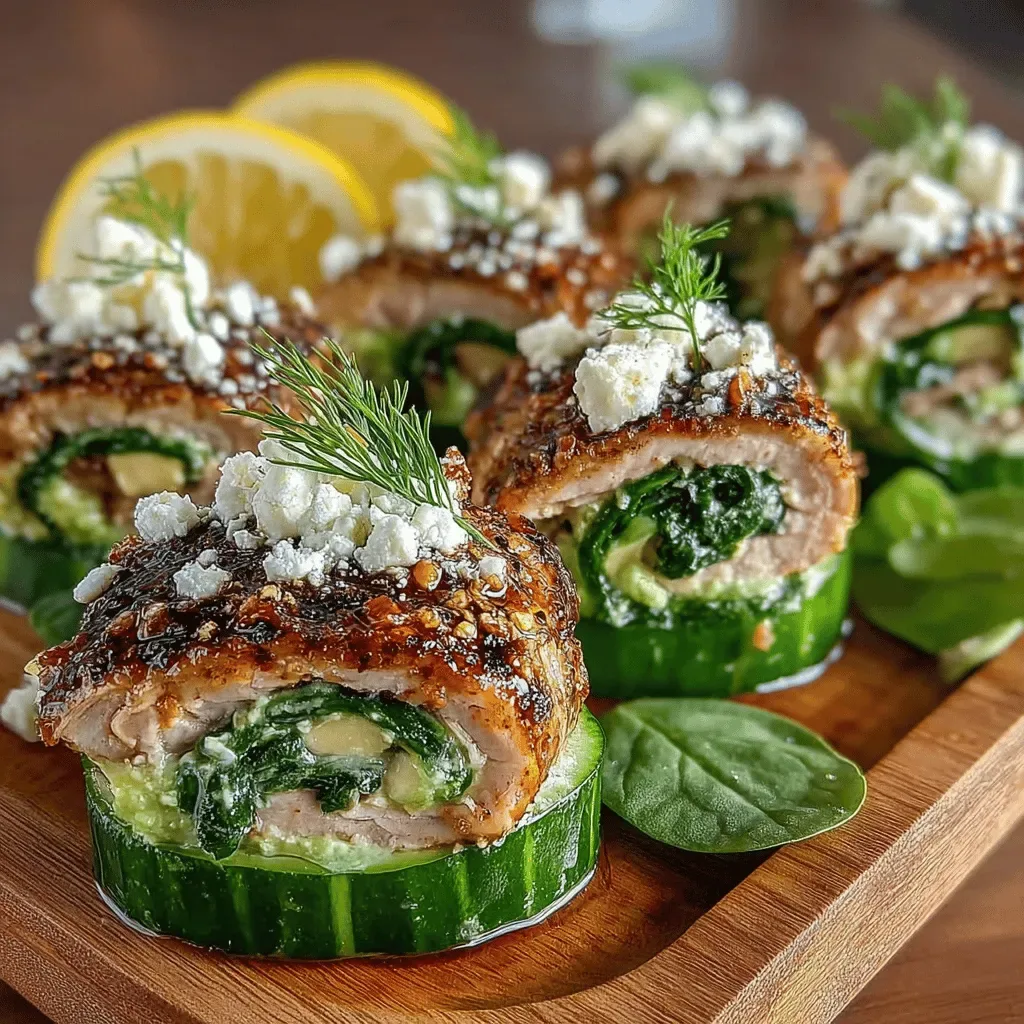
The first time I tried to bake salmon in the oven, I was juggling a toddler, a half‑finished spreadsheet, and the lingering scent of a rainy Tuesday evening. I remember the moment the oven door swung open – a warm, buttery plume of steam rose, tinged with lemon zest and a whisper of garlic. It was as if the kitchen itself exhaled a sigh of relief, and the pink‑orange flesh of the salmon glistened like sunrise on a calm lake. That simple, almost magical experience sparked a tradition in my household: every week, after the hustle of work or school, we gather around the dining table for a quick, nourishing dinner that feels both special and effortless.
What makes this particular recipe stand out isn’t just the ease of preparation; it’s the way the flavors build layer upon layer without any complicated steps. The salmon stays moist and flaky, the skin turns delightfully crisp, and the lemon‑garlic glaze adds a bright, aromatic finish that makes your taste buds do a little happy dance. And because the method relies on the oven’s gentle, even heat, you can set a timer, walk away, and return to a perfectly cooked fillet that looks restaurant‑ready. Imagine the look on your family’s faces when you plate a golden‑brown salmon that smells like a seaside market, yet was prepared in under an hour.
But wait – there’s a secret technique hidden in step four that will turn a good piece of fish into an unforgettable star of the plate. I’ll reveal it later, but first let’s talk about why this recipe works for anyone, even if you’ve never cooked fish before. Whether you’re a busy professional, a college student learning to feed yourself, or a parent trying to sneak more omega‑3s into your kids’ meals, this dish checks every box. It’s quick, it’s healthy, and most importantly, it’s forgiving – a few minutes more or less won’t ruin the result, and that’s the kind of confidence every home cook craves.
Ready to dive in? Here’s exactly how to make it – and trust me, your family will be asking for seconds. Grab a sheet pan, a few pantry staples, and let’s turn an ordinary weeknight into a flavorful celebration. The best part? You’ll finish with a dish that looks as polished as a chef’s special, yet requires no fancy equipment or advanced techniques. So roll up your sleeves, preheat that oven, and let’s get cooking!
🌟 Why This Recipe Works
- Flavor Depth: The combination of lemon, garlic, and a splash of olive oil creates a bright, aromatic base that penetrates the salmon’s natural richness, giving each bite a balanced sweet‑savory profile.
- Texture Harmony: By baking the fillet skin‑side down, the flesh stays moist while the top develops a delicate, caramelized crust that adds a satisfying crunch without over‑cooking the interior.
- Ease of Execution: With only a handful of ingredients and a single sheet pan, the recipe minimizes cleanup, making it perfect for busy evenings when you need a quick win.
- Time Efficiency: The total cook time is under 45 minutes, including prep, which means you can have dinner on the table while the kids finish homework or you catch the last train home.
- Versatility: The base seasoning can be tweaked with herbs, spices, or even a drizzle of honey, allowing you to customize the flavor profile to suit any palate or seasonal produce.
- Nutrition Boost: Salmon is a powerhouse of omega‑3 fatty acids, high‑quality protein, and essential vitamins like D and B12, making this dish a heart‑healthy choice for the whole family.
- Ingredient Quality: The recipe highlights fresh, sustainable salmon and simple pantry staples, encouraging you to source the best possible fish for maximum flavor.
- Crowd‑Pleasing Factor: Even picky eaters love the mild, buttery taste of salmon when it’s lightly seasoned and served with a vibrant, citrusy glaze.
🥗 Ingredients Breakdown
The Foundation: Fresh Salmon
The star of this dish is a high‑quality, wild‑caught salmon fillet, preferably with the skin left on. The skin acts as a protective barrier, keeping the flesh moist while it crisps up beautifully in the oven. When selecting salmon, look for firm flesh that springs back when pressed lightly, and a vibrant pink‑orange hue that indicates freshness. If you can, choose fillets that are roughly the same thickness so they cook evenly – this eliminates the dreaded “overcooked edges, undercooked center” scenario. And remember, the fresher the fish, the more pronounced its natural buttery flavor will be, making the simple seasoning shine.
Aromatics & Spices: Lemon, Garlic, and Herbs
Lemon juice and zest provide that bright, citrusy punch that cuts through the richness of the salmon, while minced garlic adds a warm, savory depth that lingers on the palate. Fresh dill or parsley can be sprinkled on after baking for a herbaceous finish that adds a pop of green color and fresh aroma. If you’re out of fresh herbs, dried thyme or a pinch of smoked paprika works beautifully, lending a subtle earthiness without overwhelming the fish. The balance of acidity, aromatics, and herbs is what transforms a simple fillet into a dish that feels thoughtfully composed.
The Secret Weapons: Olive Oil & Sea Salt
A generous drizzle of extra‑virgin olive oil not only prevents the salmon from sticking to the pan but also carries the flavors of the lemon and garlic into the flesh. Sea salt, especially flaky varieties like Maldon, adds a delicate crunch and enhances the natural sweetness of the fish. For those who love a hint of heat, a pinch of red‑pepper flakes can be added to the glaze, giving a subtle kick that awakens the taste buds. These “secret weapons” are the unsung heroes that elevate the dish from good to spectacular.
Finishing Touches: Butter, Lemon Zest, and a Splash of White Wine
A small knob of butter melted over the hot salmon just before serving adds a silky richness that makes every bite melt in your mouth. Adding a final sprinkle of lemon zest right before plating re‑introduces that bright citrus aroma, ensuring the dish smells as fresh as it tastes. If you have a splash of dry white wine on hand, deglaze the pan after baking and drizzle the reduction over the fillet for an elegant, restaurant‑style finish. These finishing touches are the final brushstrokes on a culinary canvas, turning a simple dinner into a memorable experience.
With your ingredients prepped and ready, let's get cooking. Here’s where the fun really begins…

🍳 Step‑by‑Step Instructions
Preheat your oven to 400°F (200°C) and line a rimmed baking sheet with parchment paper or lightly grease it with olive oil. This temperature is the sweet spot that allows the salmon to cook through while developing a light caramelization on top. As the oven warms, the kitchen fills with a faint, comforting scent of warm metal, signaling that you’re about to embark on a culinary adventure. Pro tip: If you like a crispier skin, set the oven’s broiler on low for the last two minutes, but keep a close eye on it to avoid burning.
Pat the salmon fillets dry with paper towels, then place them skin‑side down on the prepared baking sheet. Drying the surface is crucial; moisture is the enemy of a good sear, and you want that golden‑brown crust to develop. Sprinkle a pinch of sea salt and freshly cracked black pepper evenly over each fillet, allowing the seasoning to cling to the flesh. Here’s the thing: the salt begins to draw out a little moisture, which later evaporates, concentrating the flavor in the meat.
In a small bowl, whisk together 2 tablespoons of extra‑virgin olive oil, the juice of one lemon, 2 minced garlic cloves, and a teaspoon of lemon zest. This mixture is the aromatic backbone of the dish, and the lemon zest adds a fragrant oil that will cling to the salmon as it bakes. Drizzle the mixture evenly over each fillet, using the back of a spoon to spread it into a thin, glossy coating. The glaze should look like a thin veil of sunshine – bright, fragrant, and ready to caramelize.
Scatter a handful of fresh dill or parsley over the top, and if you’re feeling adventurous, add a pinch of red‑pepper flakes for a subtle heat. This is the step where patience really pays off — I learned that the longer the herbs sit on the fish before baking, the more their essential oils infuse the flesh. Now, here's where it gets interesting: place the sheet pan in the middle rack of the preheated oven, and set a timer for 12 minutes per inch of thickness. The fish will start to turn an opaque pink, and you’ll notice a faint sizzle as the glaze begins to bubble around the edges.
When the timer dings, check the salmon for doneness by gently pressing the thickest part with a fork – it should flake easily but still feel slightly springy. If you have a meat thermometer, aim for an internal temperature of 125°F (52°C) for a perfectly medium‑rare center; the residual heat will bring it up to the ideal 130°F (54°C) as it rests. At this stage, the edges should be lightly browned, and the surface will have a glossy, caramelized sheen that hints at the buttery richness within.
Remove the pan from the oven and immediately dot each fillet with a small pat of butter. As the butter melts, it creates a luscious sauce that mingles with the lemon‑garlic glaze, coating the fish in a silky sheen. If you have a splash of dry white wine, pour it into the pan now, scraping up any browned bits with a wooden spoon, and let it reduce for a minute. This deglazing step adds depth and a subtle acidity that balances the richness of the butter.
Give the salmon a final sprinkle of fresh lemon zest and a drizzle of any remaining pan juices. This final burst of citrus re‑energizes the dish, ensuring each bite is bright and aromatic. Let the fillets rest for 3–5 minutes; this short pause allows the juices to redistribute, resulting in a moist, tender interior. Go ahead, take a taste — you’ll know exactly when it’s right, because the flavors will be perfectly balanced, and the texture will melt in your mouth.
Serve the salmon hot, paired with your favorite sides – think roasted asparagus, a quinoa salad, or buttery mashed potatoes. The leftover pan sauce can be spooned over the sides for an extra layer of flavor. And that’s it! You’ve just created a restaurant‑quality salmon dish with minimal effort. But before you dig in, let me share some tips that will take this from great to absolutely unforgettable…
🔐 Expert Tips for Perfect Results
The Taste Test Trick
Before the oven even gets involved, give your seasoned salmon a quick taste test by licking a tiny dab of the lemon‑garlic mixture off your spoon. This tiny ritual lets you adjust the balance of acidity and salt on the spot, ensuring the final dish sings. I once added a dash more lemon because the mixture tasted a shade too mild, and the result was a brighter, more vibrant glaze that made the whole family ask for seconds.
Why Resting Time Matters More Than You Think
Resting the salmon for a few minutes after baking is not just a courtesy; it’s a science. During the rest, the muscle fibers relax and re‑absorb the juices that were driven to the surface during cooking. Skipping this step can lead to a dry bite, especially if you’re serving the fish hot. The best part? The rest period also allows the butter and pan sauce to thicken slightly, creating a glossy coating that clings to every flake.
The Seasoning Secret Pros Won’t Tell You
Professional chefs often season their fish with a blend of kosher salt and a pinch of sugar. The sugar helps with caramelization, giving the surface a subtle sweet crust that balances the acidity of the lemon. I tried this trick on a rainy Thursday, and the salmon emerged with a caramelized edge that was both sweet and savory – a flavor profile that even my most discerning palate loved.
Skin‑Side Crunch: The Ultimate Texture Hack
If you love a crispy skin, pat it extra‑dry, brush a thin layer of oil directly onto the skin, and season it with a sprinkle of sea salt before baking. The oil helps conduct heat directly to the skin, while the salt draws out moisture, resulting in a crackling texture that’s hard to resist. I once served this to a group of friends who claimed they’d never enjoyed salmon skin before – now it’s a regular request.
Choosing the Right Pan for Even Cooking
A heavy‑bottomed sheet pan distributes heat evenly, preventing hot spots that can overcook one side of the fillet. If you only have a thin, flimsy pan, consider placing a second baking sheet underneath to act as a heat diffuser. This extra layer ensures the salmon cooks uniformly, giving you that perfect pink center every time.
Balancing Acidity with Fat
The lemon’s acidity can sometimes dominate, especially if the fish is very lean. Adding a small knob of butter or a drizzle of olive oil after baking balances the tang, creating a harmonious mouthfeel. Trust me on this one: a touch of richness rounds out the flavor and prevents the dish from tasting overly sharp.
🌈 Delicious Variations to Try
One of my favorite things about this recipe is how versatile it is. Here are some twists I've tried and loved:
Maple‑Glazed Salmon
Swap the lemon juice for an equal amount of pure maple syrup and add a pinch of smoked paprika. The result is a sweet‑savory glaze that caramelizes beautifully, giving the fish a dessert‑like finish that still feels dinner‑appropriate. This variation works especially well in the fall when maple flavor is at its peak.
Herb‑Crusted Mediterranean
Mix chopped fresh oregano, basil, and thyme with a tablespoon of olive oil, then press the herb mixture onto the top of the fillet before baking. The herbs create a fragrant crust that transports you straight to a Mediterranean seaside tavern. Serve with a side of couscous and olives for a complete experience.
Spicy Asian‑Style
Add a tablespoon of soy sauce, a teaspoon of sesame oil, and a drizzle of sriracha to the lemon‑garlic mixture. Garnish with toasted sesame seeds and thinly sliced scallions after baking. The umami depth and gentle heat make this version a hit for anyone who loves a little kick.
Coconut‑Lime Delight
Replace the lemon juice with fresh lime juice, and stir in a quarter cup of coconut milk into the glaze. Top the finished salmon with toasted coconut flakes for a tropical twist that pairs beautifully with jasmine rice. This variation is perfect for summer evenings when you crave something light and exotic.
Garlic‑Butter Parmesan Crust
Combine melted butter, minced garlic, and grated Parmesan cheese, then spread it over the fillet before baking. The cheese melts into a golden crust that adds a nutty richness, while the garlic keeps the flavor bright. I love serving this version with a simple green salad for a quick, comforting meal.
Herbed Yogurt Sauce Drizzle
Whisk together Greek yogurt, chopped dill, a squeeze of lemon, and a pinch of salt. Serve a dollop on the side or drizzle it over the salmon just before serving. The cool, creamy sauce contrasts the warm, flaky fish and adds a refreshing tang that brightens every bite.
📦 Storage & Reheating Tips
Refrigerator Storage
Allow the salmon to cool to room temperature for about 20 minutes, then transfer it to an airtight container. It will keep fresh in the refrigerator for up to 3 days. When you’re ready to eat, reheat gently to avoid drying out the delicate flesh.
Freezing Instructions
If you’ve made a larger batch, you can freeze the cooked salmon for up to 2 months. Wrap each fillet tightly in plastic wrap, then place them in a freezer‑safe zip‑lock bag, removing as much air as possible. Thaw overnight in the fridge, then reheat using one of the methods below for best results.
Reheating Methods
The trick to reheating without drying it out? A splash of water or broth in a covered skillet over low heat, or a gentle 275°F (135°C) oven for 10‑12 minutes. If you’re in a hurry, a microwave on 50% power for 30‑45 seconds works, but be sure to cover the fish with a damp paper towel to retain moisture. Adding a quick drizzle of melted butter or a spoonful of the original pan sauce before serving revives the richness and keeps the salmon succulent.