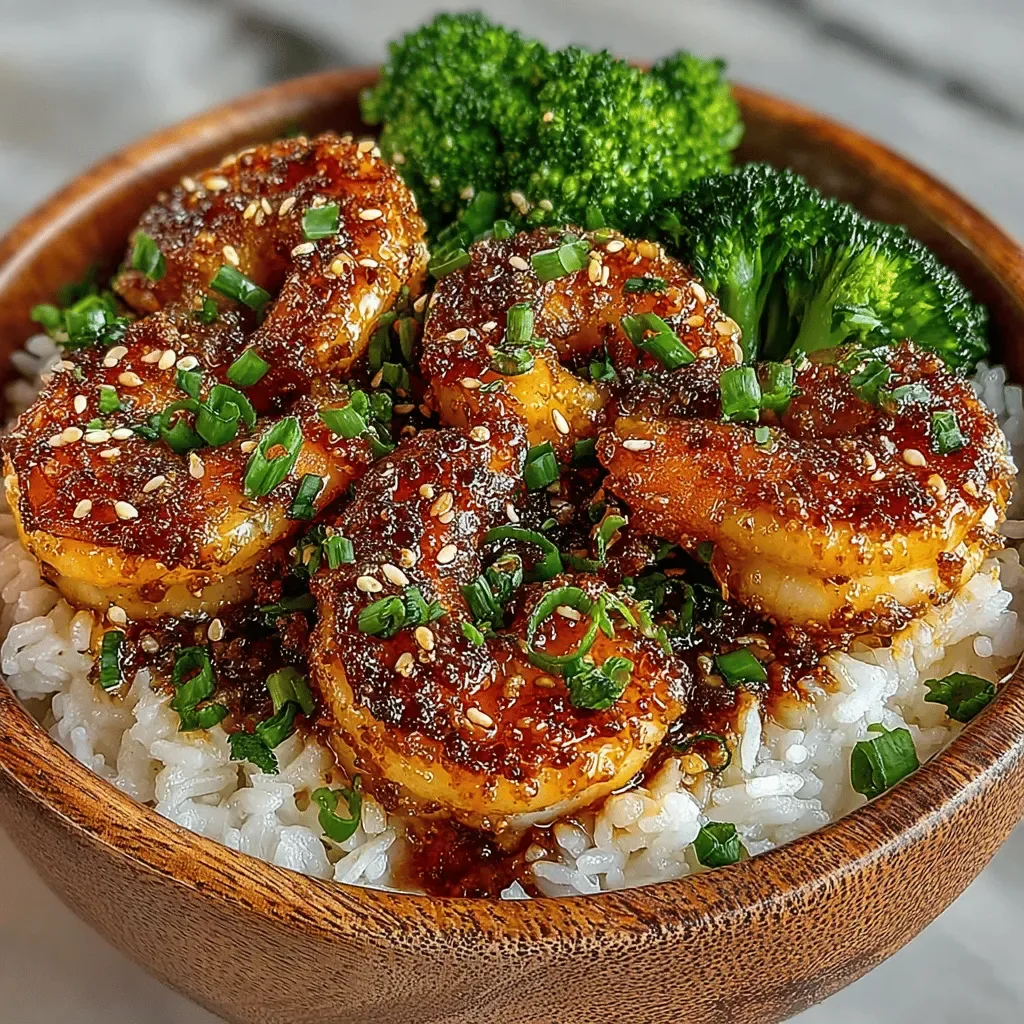
It was a sweltering Saturday in July, the kind of day when the kitchen feels like a sanctuary from the relentless sun beating down on the backyard. I remember opening the pantry, the cool air rushing out, and pulling a bag of rice noodles that had been waiting patiently for the right moment. As the pot of water began to bubble, a fragrant steam rose, carrying whispers of lime and fish sauce that I had already whisked together in a small bowl. The sound of the shrimp sizzling in a hot pan was like a tiny orchestra, each pop a promise of the succulent bite to come. That first spoonful of the finished salad—bright orange carrots, emerald cucumber ribbons, and glistening shrimp nestled among the delicate noodles—was a burst of sunshine on my tongue, a reminder that simple ingredients can create something truly magical.
What makes this chopped Thai noodle shrimp salad stand out is its balance of textures and flavors, a dance between the crunchy vegetables, the silky noodles, and the tender shrimp, all cloaked in a tangy, slightly sweet, and umami‑rich dressing. Imagine the snap of fresh mint against the mellow depth of fish sauce, the zing of lime cutting through the richness of sesame oil, and the gentle heat of a red chili that tingles just enough to keep you intrigued. It’s a dish that feels light enough for a hot day yet satisfying enough to serve as the centerpiece of a family dinner. And the best part? It comes together in under an hour, making it perfect for those moments when you want to impress without spending the whole day in the kitchen.
But wait—there’s a secret trick hidden in step four that will take this salad from good to unforgettable. I’ll reveal it later, but first let’s talk about why this recipe works so well and how each ingredient plays its part. You’ll discover how a few pantry staples can be transformed into a vibrant, restaurant‑quality experience right at home. So, grab your apron, and let’s embark on this flavorful journey together. Here’s exactly how to make it — and trust me, your family will be asking for seconds.
🌟 Why This Recipe Works
- Flavor Depth: The combination of fish sauce, lime juice, and a touch of sugar creates a sweet‑sour‑salty harmony that mimics the complexity of Thai street food. Each bite delivers layers that evolve on the palate, keeping you engaged from the first forkful to the last.
- Texture Contrast: Crunchy carrots, crisp cucumber, and toasted peanuts provide a satisfying bite, while the rice noodles and shrimp offer a silky, melt‑in‑your‑mouth feel. This contrast is what makes the salad feel dynamic rather than flat.
- Ease of Execution: Most steps involve simple prep—soaking noodles, whisking a dressing, and quick sautéing. No fancy techniques, just a series of straightforward actions that even a kitchen novice can master.
- Time Efficiency: With a prep time of just 15 minutes and a cooking window of 30 minutes, you can have a fresh, vibrant dish on the table before the sun sets, perfect for spontaneous gatherings.
- Versatility: This salad can double as a light lunch, a hearty dinner, or a party appetizer. Swap shrimp for chicken, tofu, or even crispy pork belly, and the core concept remains delicious.
- Nutrition Boost: Shrimp brings lean protein, while the fresh herbs add antioxidants. The dish is relatively low in saturated fat, especially when you control the amount of oil used for sautéing.
- Ingredient Quality: By using fresh lime juice, high‑quality fish sauce, and raw, sustainably sourced shrimp, you elevate the entire dish, ensuring every component shines.
- Crowd‑Pleasing Factor: The bright colors and aromatic profile make it visually appealing, and the balanced flavors cater to a wide range of palates, from kids who love the sweet notes to adults who appreciate the subtle heat.
🥗 Ingredients Breakdown
The Foundation: Noodles & Shrimp
The heart of this salad lies in the rice noodles, which are light, gluten‑free, and perfect for soaking up the dressing. Choose thin, flat rice noodles for the best mouthfeel; they soften quickly and stay tender without becoming mushy. As for the shrimp, I always opt for wild‑caught, peeled, and deveined pieces that are about the size of a thumbnail. Their natural sweetness pairs beautifully with the tangy dressing, and because they cook in just a couple of minutes, they keep the overall cooking time short. If you’re allergic to shellfish, substitute with firm tofu cubes or sliced chicken breast—just adjust the cooking time accordingly.
Aromatics & Spices: The Flavor Engine
Fresh garlic, minced just before use, releases a pungent aroma that forms the backbone of the dressing. A single clove is enough; too much can overwhelm the delicate balance. Red chili, thinly sliced, adds a gentle heat that tingles the palate without overpowering the other flavors. If you prefer a milder version, remove the seeds or use a milder bird’s eye chili. The magic of fish sauce lies in its fermented depth—just two tablespoons deliver a salty, umami punch that’s essential for authenticity. Pair it with lime juice, freshly squeezed, for that bright, citrusy lift that makes the salad sing.
The Secret Weapons: Herbs & Nuts
Fresh mint and cilantro aren’t just garnish; they infuse the salad with fragrant, herbaceous notes that brighten every bite. Tear the mint leaves rather than chopping to avoid bruising, which can turn them bitter. Cilantro adds a citrus‑like freshness, but if you’re not a fan, substitute with Thai basil for a slightly spicier edge. The roasted peanuts, roughly chopped, provide a nutty crunch and a subtle earthy flavor that ties the dish together. For a gluten‑free version, simply skip the soy sauce or replace it with tamari.
Finishing Touches: Sweetness & Oil
A teaspoon of palm sugar (or regular granulated sugar) balances the acidity of the lime and the saltiness of the fish sauce, creating a harmonious sweet‑sour profile. If you have access to palm sugar, it adds a caramel‑like depth that regular sugar can’t quite replicate. Finally, a drizzle of sesame oil adds a nutty aroma that lingers on the tongue, while a splash of vegetable oil helps sauté the shrimp quickly and evenly. A pinch of sea salt and freshly cracked black pepper rounds out the seasoning, ensuring every component shines.
With your ingredients prepped and ready, let's get cooking. Here's where the fun really begins...

🍳 Step-by-Step Instructions
-
Begin by bringing a large pot of water to a rolling boil. While you wait, separate the rice noodles and place them in a heat‑proof bowl. Once the water is bubbling, pour it over the noodles, ensuring they are fully submerged, and let them soak for about 5‑7 minutes until they are just tender but still have a slight bite. Drain the noodles in a colander, rinse under cold water to stop the cooking process, and toss them with a drizzle of sesame oil to keep them from sticking together. The noodles should look glossy and be cool to the touch—this is your blank canvas.
💡 Pro Tip: If you’re short on time, use pre‑soaked rice noodles, but still give them a quick rinse to remove any excess starch. -
While the noodles are cooling, prepare the shrimp. Pat the raw shrimp dry with paper towels, then season lightly with salt and pepper. Heat a tablespoon of vegetable oil in a large skillet over medium‑high heat until it shimmers. Add the shrimp in a single layer, making sure not to overcrowd the pan—overcrowding leads to steaming rather than searing. Cook for 2‑3 minutes per side, or until the shrimp turn a vivid pink and curl into a “C” shape. Remove the shrimp from the pan and set aside on a plate, covering loosely with foil to keep them warm.
-
Now, whisk together the dressing. In a medium bowl, combine 2 tablespoons of fish sauce, 2 tablespoons of fresh lime juice, 1 tablespoon of soy sauce, 1 teaspoon of palm sugar, the minced garlic, and the sliced red chili. Drizzle in 1 teaspoon of sesame oil and whisk until the sugar dissolves and the mixture becomes slightly glossy. The aroma should be a tantalizing blend of salty, sweet, and citrusy, with a faint heat from the chili—if it doesn’t smell inviting, add a splash more lime juice.
⚠️ Common Mistake: Over‑mixing the dressing can cause the sugar to crystallize, resulting in a grainy texture. Whisk just until combined. -
Transfer the cooled noodles into a large mixing bowl. Pour the freshly whisked dressing over the noodles, tossing gently with tongs to ensure every strand is coated. The noodles should glisten with the vinaigrette, absorbing the flavors while retaining their chewiness. Let the noodles sit for about 5 minutes; this brief resting period allows the starches to soak up the dressing, creating a more cohesive texture.
💡 Pro Tip: For an extra burst of flavor, add a splash of the noodle soaking water (if you didn’t discard it) to the dressing. The starches help bind the sauce to the noodles. -
While the noodles are marinating, prepare the fresh vegetables. Julienne the carrot into thin matchsticks, slice the cucumber into half‑moon pieces, and thinly slice the red bell pepper. Toss the vegetables together in a separate bowl with a pinch of salt to draw out excess moisture, then pat dry with a clean kitchen towel. This step ensures the salad stays crisp and doesn’t become soggy.
-
Combine the veggies with the dressed noodles. Add the carrot, cucumber, and bell pepper to the bowl, then gently fold everything together. The colors should be vivid—orange carrots, green cucumber, and ruby‑red peppers—creating a visual feast that’s as pleasing to the eyes as it is to the palate. At this stage, tear the fresh mint leaves and sprinkle the chopped cilantro, allowing their aromatic oils to mingle with the other ingredients.
-
Now, bring the cooked shrimp back into the mix. Slice each shrimp in half lengthwise for easier eating, then scatter them over the salad. The warm shrimp will slightly wilt the herbs, releasing their fragrance, while still maintaining a pleasant bite. Give the salad one final gentle toss to distribute the shrimp evenly without breaking the noodles.
-
Finish with a generous handful of roasted peanuts. Roughly chop them just before adding so they retain their crunch. Sprinkle the peanuts over the top, then drizzle a final drizzle of sesame oil if you love that nutty aroma. The salad is now ready to serve, but for the ultimate flavor integration, cover the bowl with plastic wrap and refrigerate for at least 15 minutes.
💡 Pro Tip: The secret trick I promised earlier—press the salad gently with a clean spoon before serving. This compacts the noodles and helps the dressing cling better, delivering a more intense flavor with each bite. -
When you’re ready to plate, use a large serving bowl or individual plates. Garnish each portion with an extra sprig of mint, a few cilantro leaves, and a lime wedge on the side. The lime wedge invites diners to add a fresh squeeze if they crave more acidity, creating a customizable experience. Serve the salad chilled or at room temperature, depending on your preference; both work beautifully.
-
And there you have it! But before you dig in, let me share some tips that will take this from great to absolutely unforgettable. Trust me, these final touches are what turn a good dinner into a memorable feast that your guests will talk about for weeks.
🔐 Expert Tips for Perfect Results
The Taste Test Trick
Before you finalize the salad, take a spoonful and let it sit on your tongue for a moment. You should taste the bright acidity of lime, the salty depth of fish sauce, and a hint of sweetness from the sugar—all balanced by the fresh herbs. If any component feels off, adjust with a dash more lime for brightness or a pinch of sugar to tame excess acidity. This quick sensory check ensures your final dish is perfectly harmonious.
Why Resting Time Matters More Than You Think
Allowing the salad to rest for at least 15 minutes in the fridge isn’t just about chilling; it gives the noodles time to absorb the dressing fully, and the herbs to release their essential oils. I once served the salad straight out of the bowl, and while it was tasty, the flavors felt disjointed. After letting it rest, the entire composition becomes cohesive, and the shrimp’s warmth gently mellows the herbs, creating a unified flavor profile.
The Seasoning Secret Pros Won’t Tell You
Professional Thai chefs often finish a dish with a splash of “nam pla” (fish sauce) right before plating, a technique that adds a final layer of umami. In this recipe, after the salad has rested, drizzle an additional half‑teaspoon of fish sauce over the top and give it a quick toss. The result is a subtle boost that makes the flavors pop without overwhelming the palate.
Balancing Heat Without Burning
Red chili can be a double‑edged sword—too much and you’ll drown out the delicate flavors, too little and the dish may feel flat. Slice the chili thinly and remove the seeds for a milder heat, or keep them for an extra kick. I once added the whole chili by mistake, and the salad became overwhelmingly spicy. The lesson? Always taste the dressing after adding the chili and adjust gradually.
Presentation That Wow’s
When plating, use a shallow, wide bowl to showcase the vibrant colors. Arrange the shrimp in a fan shape on top, sprinkle the peanuts in a decorative ring, and place a fresh mint sprig in the center. The visual contrast of the bright vegetables against the glossy noodles makes the dish Instagram‑ready and instantly appetizing. A well‑presented plate tells a story before anyone even takes a bite.
🌈 Delicious Variations to Try
One of my favorite things about this recipe is how versatile it is. Here are some twists I've tried and loved:
Spicy Peanut Crunch
Swap the roasted peanuts for a homemade spicy peanut sauce—mix peanut butter, soy sauce, a dash of sriracha, and a splash of lime juice. Toss the sauce through the salad for a creamy, nutty heat that adds depth and richness.
Tropical Twist
Incorporate diced mango and pineapple for a sweet, tropical contrast. The fruit’s juiciness balances the salty dressing, creating a fresh, summer‑ready version that’s perfect for backyard BBQs.
Vegetarian Delight
Replace the shrimp with grilled halloumi cubes or marinated tempeh strips. Both options absorb the dressing beautifully and provide a satisfying protein boost for plant‑based eaters.
Coconut Lime Fusion
Add a splash of coconut milk to the dressing and garnish with toasted coconut flakes. The creamy coconut pairs wonderfully with lime, evoking the flavors of a classic Thai coconut soup.
Herb‑Heavy Garden
Boost the herb component by adding Thai basil, dill, or even a handful of arugula. Each herb brings its own aromatic nuance, allowing you to customize the salad to your personal palate.
📦 Storage & Reheating Tips
Refrigerator Storage
Transfer any leftovers to an airtight container and store in the refrigerator for up to 2 days. Keep the peanuts in a separate small container to maintain their crunch. When ready to serve, give the salad a quick toss and add a fresh squeeze of lime.
Freezing Instructions
While the noodles and vegetables don’t freeze well, you can freeze the cooked shrimp and the dressing separately. Store the shrimp in a zip‑top bag and the dressing in a small mason jar. Thaw the shrimp overnight in the fridge, then reassemble the salad with fresh noodles and veggies for the best texture.
Reheating Methods
If you prefer a warm version, gently heat the shrimp in a skillet with a splash of oil for 1‑2 minutes. Add the warm shrimp to the cold salad and give it a quick toss. To avoid drying out the noodles, add a teaspoon of water or extra lime juice while reheating.