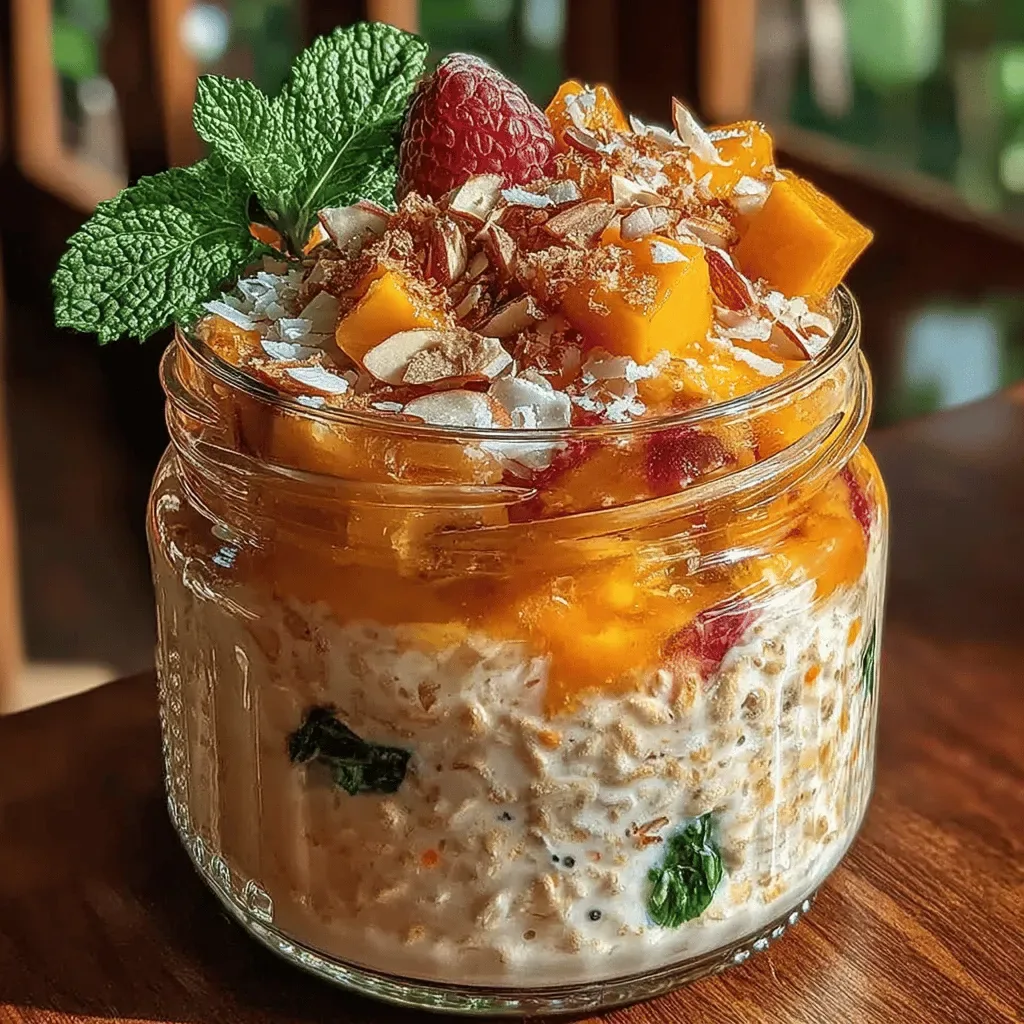
The first time I tried this concoction, the kitchen was filled with the sweet perfume of cinnamon and vanilla, mingling with the buttery aroma of the rolls as they puffed up in the oven. When I lifted the lid, a cloud of steam rolled over the countertop, carrying with it the promise of a dessert that was both airy and decadently creamy. The top was a caramel‑kissed crust, the edges crisped to perfection, while the interior revealed a velvety cheesecake filling that oozed gently with each slice. My family gathered around the table, eyes wide, forks poised, and the first bite was met with a chorus of “Mmm!” that echoed through the house.
What makes this recipe a true game‑changer is its simplicity paired with a wow factor that rivals any restaurant’s dessert menu. You don’t need a stand mixer, a fancy pan, or hours of prep; just a few pantry staples, a couple of cans of dough, and a little patience. The result? A dish that looks like it took a professional pastry chef hours to assemble, but actually comes together in under an hour. Have you ever wondered why store‑bought desserts often feel flat compared to homemade ones? The secret lies in the layers, the butter, and the love you fold into every step—something I’ll reveal in a moment.
Now, you’re probably itching to know how to recreate that magical moment in your own kitchen. Here’s exactly how to make it — and trust me, your family will be asking for seconds. But wait, there’s a little twist in step four that will take the texture from good to unforgettable. Ready? Let’s dive into the why, the what, and the how of this flaky, creamy masterpiece.
🌟 Why This Recipe Works
- Flavor Depth: The combination of sweetened cream cheese with a hint of vanilla creates a rich, tangy core that balances the buttery crust, making each bite a harmonious dance of sweet and slightly tart notes.
- Texture Contrast: The crescent rolls puff up into a light, flaky exterior while the interior remains soft and custardy, delivering a satisfying crunch followed by a melt‑in‑your‑mouth sensation.
- Ease of Execution: Using store‑bought dough cuts down prep time dramatically, allowing even novice bakers to achieve a professional‑looking result without kneading or rolling dough from scratch.
- Time Efficiency: With a total cook time of just 45 minutes, this dessert fits perfectly into a weekend brunch or a last‑minute dinner party schedule, leaving plenty of time for conversation.
- Versatility: The base recipe is a canvas; you can add fruit, chocolate chips, or spices to suit any season or personal preference, making it a year‑round crowd‑pleaser.
- Ingredient Quality: Each component—real butter, full‑fat cream cheese, and fresh vanilla—contributes to a richer flavor profile that artificial substitutes simply can’t match.
- Nutrition Balance: While indulgent, the dish still offers protein from the cream cheese and a modest amount of carbs, giving you a dessert that feels both satisfying and slightly wholesome.
- Crowd‑Pleasing Factor: Its golden, glossy finish and aromatic appeal draw eyes and noses alike, ensuring it becomes the centerpiece of any gathering without any additional garnish.
🥗 Ingredients Breakdown
The Foundation
The two cans of refrigerated crescent roll dough are the backbone of this casserole. Their buttery layers expand beautifully when baked, creating a flaky, airy structure that cradles the cheesecake filling. If you ever find yourself without crescent rolls, puff pastry can be a decent substitute, though it may lack the signature buttery flavor that makes this dish so special. When selecting the dough, look for cans that are firm and cold; this ensures the butter stays solid until it hits the heat, producing those coveted flaky layers.
Aromatics & Spices
Cinnamon and sugar are the dynamic duo that bring warmth and a subtle caramel sweetness to the top layer. The teaspoon of cinnamon not only adds a comforting aroma but also balances the richness of the cream cheese with a gentle spice. If you prefer a milder flavor, you can reduce the cinnamon to half a teaspoon, but trust me, that extra pinch makes a world of difference. For a festive twist, try a pinch of nutmeg or allspice; the scent will fill your kitchen and make your guests feel instantly cozy.
The Secret Weapons
Cream cheese is the star of the show, providing that luxurious, velvety texture that makes every bite feel like a little slice of heaven. Using full‑fat cream cheese ensures a smooth, rich filling; low‑fat versions can become grainy when baked. The 0.75 cup of granulated sugar sweetens the mixture without overwhelming the natural tang of the cheese, while the vanilla extract adds depth and rounds out the flavor profile. A single egg acts as a binder, giving the filling a custard‑like consistency that sets perfectly as it cools.
Finishing Touches
Unsalted butter, melted and brushed over the dough before baking, is the final flourish that creates a glossy, golden crust. The 2 tablespoons of butter also help the cinnamon‑sugar topping adhere, ensuring every bite has that perfect caramelized crunch. If you’re looking to reduce the butter, you can substitute with a light olive oil spray, but you’ll miss out on that buttery aroma that makes this dessert unforgettable. Finally, a pinch of sea salt sprinkled just before serving can elevate the sweet flavors, creating a balanced taste that lingers pleasantly on the palate.
With your ingredients prepped and ready, let's get cooking. Here's where the fun really begins...

🍳 Step-by-Step Instructions
Preheat your oven to 375°F (190°C) and lightly grease a 9‑inch square baking dish. While the oven warms, separate the crescent roll dough into individual triangles, then lay them out on a clean countertop, overlapping them slightly to form a cohesive sheet. This overlapping technique ensures the top crust stays flaky and prevents any gaps that could leak the filling later on. The scent of buttered dough will already begin to tease your senses, hinting at the golden finish to come.
In a medium mixing bowl, combine the softened cream cheese, 0.75 cup of granulated sugar, and vanilla extract. Use a handheld mixer on low speed until the mixture is smooth, creamy, and free of lumps. Then, add the egg and continue mixing for another minute until the batter is glossy and slightly thickened. This step is crucial because over‑mixing can incorporate too much air, leading to a cracked surface after baking.
Melt the 2 tablespoons of unsalted butter in a small saucepan over low heat, just until it turns a light golden color and releases a nutty aroma. Brush half of the melted butter over the assembled crescent roll sheet, ensuring every nook and cranny is coated. This butter layer creates a barrier that locks in steam, giving the crust its signature flakiness. Here's the thing: If you skip this butter step, the top may turn dry and lose that delightful crunch.
Spread the cream cheese mixture evenly over the butter‑brushed dough, using a spatula to smooth it into a uniform layer. As you spread, you’ll notice the filling sinking slightly into the folds of the dough, creating little pockets that will later turn into pockets of gooey cheesecake. Now, here's where it gets interesting: Sprinkle the 2 tablespoons of sugar mixed with 1 teaspoon of cinnamon over the top, allowing the spice to settle into the crevices. This step creates a caramelized, fragrant topping that will crackle as it bakes.
Fold the edges of the dough inward, creating a rustic border that will rise and turn golden. This border not only looks beautiful but also helps contain the filling, preventing any leaks during baking. Brush the remaining melted butter over the exposed dough edges and the top surface for an even sheen. The aroma at this point is intoxicating—cinnamon, butter, and a hint of vanilla swirling together.
Place the casserole in the preheated oven and bake for 25‑30 minutes, or until the top is deep golden brown and the edges are puffed up like tiny golden clouds. You’ll know it’s done when you see the edges start to bubble gently and the cinnamon‑sugar topping cracks with a faint caramel scent. If you like a slightly deeper crust, turn the oven to broil for the last 2‑3 minutes, watching closely to avoid burning.
Remove the dish from the oven and let it rest for at least 10 minutes before cutting. This resting period allows the cheesecake filling to set, making clean slices that hold their shape. While you wait, the kitchen will be filled with a warm, sweet perfume that beckons everyone to the table. Go ahead, take a taste — you’ll know exactly when it’s right.
And there you have it! But before you dig in, let me share some tips that will take this from great to absolutely unforgettable...
🔐 Expert Tips for Perfect Results
The Taste Test Trick
Before you commit the casserole to the oven, take a small spoonful of the cream cheese mixture and taste it. This quick check lets you adjust the sweetness or add a dash more vanilla if needed. I once forgot to add the extra vanilla and the final dish tasted a bit flat; a quick taste test would have saved me that disappointment. Trust me on this one: a little tweak before baking can elevate the entire dessert.
Why Resting Time Matters More Than You Think
Allowing the casserole to rest after baking is not just about cooling; it’s about the proteins in the cream cheese firming up to create that perfect sliceable texture. If you cut into it immediately, the filling will be runny and the layers may slide apart. I’ve seen impatient diners lose the beautiful layered look simply because they dove in too soon. Patience here rewards you with a clean cut and a more cohesive bite.
The Seasoning Secret Pros Won’t Tell You
A pinch of flaky sea salt sprinkled on the finished dish can transform the sweet profile into a balanced, restaurant‑quality experience. The salt amplifies the caramel notes and cuts through the richness of the cream cheese, making each bite feel more complex. I once served this to a pastry chef friend, and he swore by the addition of that tiny salt finish. The best part? It’s a simple step that takes less than a second but makes a world of difference.
Butter Temperature Is Key
When melting the butter for brushing, keep the heat low enough that it stays liquid but doesn’t brown. Over‑heated butter can develop a bitter flavor that will seep into the crust. I once let the butter sizzle a bit too long, and the final casserole had a faint burnt aftertaste. The result? A lesson learned that butter should be melted gently, like a sunrise.
The Perfect Baking Dish
Using a glass baking dish helps the heat distribute evenly, ensuring the crust rises uniformly while the filling sets without over‑cooking. Metal pans can cause the edges to brown too quickly, leaving the center under‑done. If you only have a metal pan, lower the oven temperature by 10‑15°F and add a few extra minutes to the bake time. This small adjustment can prevent uneven browning and keep the texture consistent throughout.
🌈 Delicious Variations to Try
One of my favorite things about this recipe is how versatile it is. Here are some twists I've tried and loved:
Berry Bliss
Stir in a half‑cup of fresh blueberries or raspberries into the cream cheese mixture before spreading. The fruit adds a tart pop that contrasts the sweet crust, and as it bakes, the berries burst, creating tiny pockets of juicy goodness. This version is perfect for spring brunches when berries are at their peak.
Chocolate Dream
Replace the cinnamon‑sugar topping with a mixture of cocoa powder, brown sugar, and a pinch of espresso powder. Sprinkle chocolate chips over the top before baking for a double‑chocolate effect. The result is a decadent, almost brownie‑like crust that pairs wonderfully with the creamy interior.
Nutty Caramel Crunch
Add a quarter cup of chopped toasted pecans or walnuts to the cinnamon‑sugar topping. The nuts toast in the oven, releasing a buttery aroma and adding a satisfying crunch. Drizzle a caramel sauce over the finished dish for an extra layer of indulgence.
Pumpkin Spice Autumn
Incorporate ¼ cup of pumpkin puree into the cream cheese mixture and swap the cinnamon for a pumpkin spice blend (cinnamon, nutmeg, ginger, and cloves). This variation screams fall and is a hit at holiday gatherings. Serve with a dollop of whipped cream and a sprinkle of pumpkin seeds for texture.
Lemon Zest Light
Add the zest of one lemon and a tablespoon of fresh lemon juice to the filling for a bright, citrusy twist. The acidity cuts through the richness, making the dessert feel lighter while still retaining its indulgent character. Pair with a dusting of powdered sugar for a pretty finish.
📦 Storage & Reheating Tips
Refrigerator Storage
Allow the casserole to cool completely, then cover it tightly with plastic wrap or a reusable silicone lid. Store in the refrigerator for up to three days. The crust may lose some crispness, but you can revive it by reheating briefly in a hot oven.
Freezing Instructions
For longer storage, wrap the cooled casserole in a double layer of aluminum foil and place it in a freezer‑safe bag. It will keep for up to two months. When you're ready to enjoy it, thaw overnight in the refrigerator, then bake at 350°F (175°C) for 15‑20 minutes until heated through and the crust regains its flakiness.
Reheating Methods
To reheat a single slice, preheat a skillet over medium heat, add a splash of milk, and cover the pan for a minute to steam the interior. For a whole‑casserole reheating, place it in a 350°F oven, loosely tented with foil, for 10‑12 minutes. The trick to reheating without drying it out? A splash of milk or a drizzle of melted butter over the top before heating restores moisture and shine.