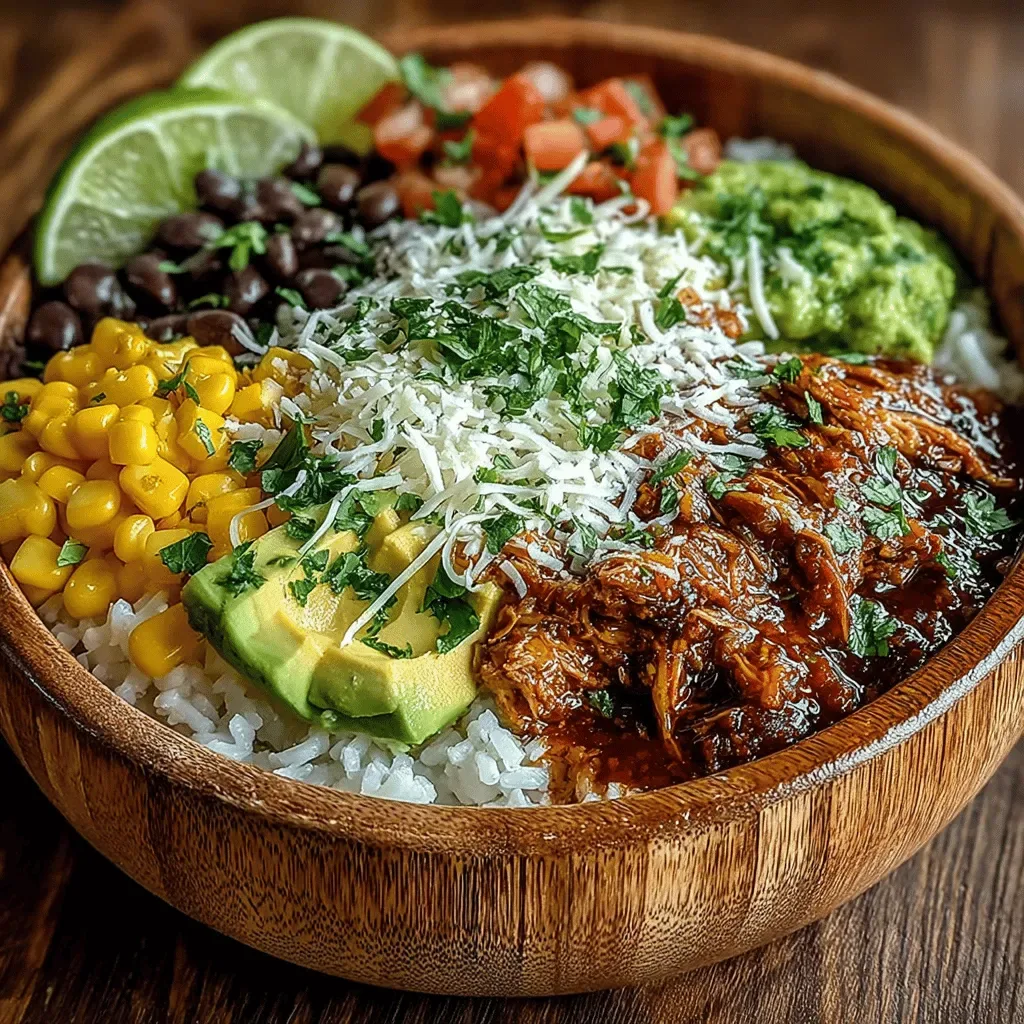
It was a sweltering July afternoon when I first stumbled upon the idea of a salad that could capture the very essence of sunshine on a plate. I was sitting on my balcony, the cicadas humming a lazy tune, and the scent of fresh basil from my garden drifted through the open window. The moment I lifted the lid of the pot where quinoa was simmering, a cloud of nutty steam rose, curling around my nose like a warm hug, and I knew I was onto something special. I tossed in a handful of bright cherry tomatoes, a splash of lemon, and a sprinkle of feta, and the flavors exploded like a Mediterranean fireworks display.
That first bite was a revelation: the fluffy quinoa provided a perfect canvas for the crisp cucumbers, the briny olives added a salty pop, and the herbs sang a fresh, fragrant chorus that made my taste buds dance. I could feel the sun’s warmth in each mouthful, a reminder that food can be both nourishing and uplifting. Since then, this salad has become a staple at family gatherings, picnics, and even quick weeknight meals when I need a burst of bright flavor without the fuss.
What makes this Mediterranean Quinoa Salad truly amazing is its balance of textures and flavors – the slight chew of quinoa, the juicy snap of tomatoes, the creamy crumble of feta, and the aromatic lift of lemon and herbs. It’s also incredibly versatile; you can swap out veggies, add a protein, or even turn it into a hearty main course. But wait – there’s a secret ingredient that most people skip, and it’s the key to unlocking that extra zing you’ll love. I’ll reveal it later, just after we dive into the ingredient lineup.
If you’ve ever wondered why restaurant versions of Mediterranean salads taste so vibrant, the answer lies in the careful layering of flavors and the use of fresh, high‑quality produce. You’ll discover that a few simple tricks can elevate a humble quinoa salad into a show‑stopping dish that even the most discerning palate will adore. The best part? It’s all achievable in your own kitchen with ingredients you probably already have on hand.
Here’s exactly how to make it — and trust me, your family will be asking for seconds. Grab a bowl, roll up your sleeves, and let’s embark on this sunny culinary adventure together. Ready? Let’s get started.
🌟 Why This Recipe Works
- Flavor Depth: The combination of lemon juice, olive oil, and fresh herbs creates a layered taste that deepens as the salad rests, allowing each bite to reveal new notes of brightness and earthiness.
- Texture Harmony: Quinoa’s fluffy bite pairs with crunchy cucumbers, juicy tomatoes, and the occasional snap of olives, giving the dish a satisfying mouthfeel that keeps you reaching for more.
- Ease of Preparation: With only one pot to cook the quinoa and a handful of chopping tasks, this salad can be assembled in under an hour, making it perfect for busy weeknights.
- Time Efficiency: The quinoa can be cooked while you prep the veggies, and the dressing comes together in seconds, shaving precious minutes off your cooking schedule.
- Versatility: Whether you serve it as a side, a light main, or a picnic staple, the salad adapts effortlessly to any occasion or dietary need.
- Nutrition Boost: Quinoa provides complete protein, while the vegetables and olive oil supply fiber, healthy fats, and a rainbow of vitamins that keep you feeling energized.
- Ingredient Quality: Using fresh, seasonal produce and high‑quality olive oil ensures every component shines, turning a simple salad into a gourmet experience.
- Crowd‑Pleasing Factor: The bright colors and Mediterranean flavors appeal to both kids and adults, making it a safe bet for any gathering.
🥗 Ingredients Breakdown
The Foundation: Quinoa & Citrus
Quinoa is the heart of this salad, offering a fluffy, slightly crunchy base that soaks up the dressing beautifully. I always choose a white or tri‑color quinoa for its delicate flavor and appealing appearance. Rinse it thoroughly before cooking to remove the natural saponin coating that can taste bitter. For a brighter flavor, I add a splash of lemon zest to the cooking water – it infuses the grains with citrusy perfume from the start.
Lemon juice is the star brightener, delivering that instant sunshine burst you crave. Freshly squeezed lemon provides acidity that balances the richness of olive oil and feta, while the zest adds aromatic oils that elevate the overall scent. If lemons are out of season, a splash of good‑quality white wine vinegar can stand in, but the zest is irreplaceable for that authentic Mediterranean zing.
Aromatics & Spices: Herbs & Olive Oil
Fresh parsley and mint are the dynamic duo that give this salad its garden‑fresh character. Parsley contributes a clean, slightly peppery note, while mint introduces a cool, refreshing lift that pairs perfectly with lemon. When you chop them, the knife releases essential oils that fill your kitchen with an inviting aroma, making the whole cooking process feel like a mini‑vacation.
Extra‑virgin olive oil is the luxurious binder that brings everything together. Choose a cold‑pressed, fruit‑forward oil for the best flavor; it adds a silky mouthfeel and a subtle fruitiness that complements the vegetables. A drizzle of oil right before serving ensures the salad stays glossy and prevents the quinoa from drying out.
The Secret Weapons: Olives & Feta
Kalamata olives bring a briny depth that mimics the salty sea breezes of the Mediterranean coast. Their dark, meaty texture contrasts nicely with the crisp veggies, and each bite releases a burst of umami that makes the salad feel indulgent. If you prefer a milder taste, you can rinse the olives briefly, but I like to keep the brine for that authentic punch.
Feta cheese adds creamy tanginess that ties the whole dish together. Crumble it just before serving so it retains its crumbly texture, and the salty notes will balance the lemon’s acidity. For a dairy‑free version, try a crumble of toasted tofu seasoned with nutritional yeast and a pinch of salt.
Finishing Touches: Veggies & Seasonings
Cherry tomatoes, cucumber, and red bell pepper contribute vibrant colors and juicy crunch. Slice the tomatoes in halves so their skins stay intact, preserving that sweet‑tart burst. Dice the cucumber into bite‑size pieces, leaving the skin on for extra crunch and a hint of earthiness.
A pinch of sea salt and freshly cracked black pepper are the final seasoning steps that awaken all the flavors. I also love adding a pinch of smoked paprika for a subtle smoky undertone that makes the salad feel even more complex. Remember, seasoning is an art – taste as you go and adjust until the balance feels just right.
With your ingredients prepped and ready, let's get cooking. Here's where the fun really begins...
🍳 Step-by-Step Instructions
Rinse 1 cup of quinoa under cold water using a fine‑mesh sieve. The water should run clear, indicating the bitter saponins have been washed away. Transfer the quinoa to a medium saucepan, add 2 cups of water, a pinch of salt, and the zest of one lemon. Bring to a boil over medium‑high heat, then reduce to a gentle simmer, cover, and let it cook for 15 minutes or until the grains are tender and the water is absorbed. When you fluff it with a fork, you’ll notice a subtle citrus perfume that signals it’s ready for the next step.
While the quinoa cooks, prepare the vegetables. Halve 1 cup of cherry tomatoes, dice 1 medium cucumber (leaving the skin on for extra crunch), and finely chop half a red bell pepper. Toss the veggies together in a large mixing bowl, and set aside. The colors should already look like a Mediterranean sunrise – bright reds, cool greens, and sunny yellows.
Now, make the dressing. In a small bowl, whisk together ¼ cup of extra‑virgin olive oil, the juice of one lemon, 1 teaspoon of Dijon mustard, 1 minced garlic clove, and a pinch of sea salt. The mustard acts as an emulsifier, creating a silky, cohesive sauce that clings to every quinoa grain. Taste the dressing; it should be tangy, slightly sharp, and balanced with the oil's richness.
When the quinoa is done, remove it from heat and let it sit, covered, for 5 minutes. Then, fluff it with a fork and transfer it to the bowl of chopped vegetables. Here’s the secret trick: while the quinoa is still warm, drizzle half of the dressing over it and toss gently. The warm grains will absorb the liquid more efficiently, creating a deeper flavor base.
Add the remaining dressing, then fold in ½ cup of pitted Kalamata olives (halved), ¼ cup of crumbled feta cheese, and a generous handful of chopped fresh parsley and mint. The olives should be evenly distributed, providing salty pockets throughout. The feta will melt slightly into the warm quinoa, creating creamy specks that enhance each bite.
Season the salad with freshly cracked black pepper and, if needed, a touch more salt. Give it one final gentle toss, allowing the herbs to release their aromatic oils. At this point, the salad should look like a vibrant mosaic, each ingredient shining yet harmonious.
Cover the bowl with plastic wrap and let it rest at room temperature for 10–15 minutes. This resting period is crucial; it lets the flavors marry and the quinoa finish soaking up any remaining dressing. While you wait, the kitchen fills with a fragrant blend of lemon, herbs, and olive oil that makes your stomach rumble in anticipation.
Finally, serve the salad on a large platter or in individual bowls. Garnish with an extra drizzle of olive oil, a sprinkle of fresh herbs, and a few whole olives for visual appeal. The result is a sun‑kissed, nutrient‑dense dish that’s ready to be devoured. And the best part? It tastes even better the next day, making it a perfect make‑ahead lunch.
And there you have it! But before you dig in, let me share some tips that will take this from great to absolutely unforgettable...
🔐 Expert Tips for Perfect Results
The Taste Test Trick
Before you finish seasoning, take a tiny spoonful and let it sit on your tongue for a moment. This pause lets you feel the balance of acidity, salt, and herbaceousness. If the lemon feels too sharp, a pinch more olive oil will mellow it; if it’s too muted, a dash more lemon juice revives the brightness. Trust me, this quick test saves a lot of guesswork.
Why Resting Time Matters More Than You Think
Allowing the salad to rest for at least 15 minutes isn’t just about convenience – it’s a flavor‑fusion process. The quinoa continues to absorb the dressing, and the herbs release volatile oils that perfume the entire bowl. I once rushed this step and the salad tasted “flat”; after giving it a proper rest, the flavors sang in harmony.
The Seasoning Secret Pros Won’t Tell You
A pinch of flaky sea salt added at the very end gives a subtle crunch that elevates texture. Professionals often finish dishes with a finishing salt because it adds a burst of flavor right before the first bite. Try using Maldon or fleur de sel for that delicate, crystalline pop.
Balancing Crunch and Softness
If you love an extra crunch, add a handful of roasted chickpeas or toasted pumpkin seeds just before serving. These add texture without overwhelming the delicate quinoa. On the other hand, if you prefer a softer bite, let the salad sit a bit longer; the quinoa will soften further, creating a more cohesive mouthfeel.
Storing for Maximum Freshness
When storing leftovers, keep the dressing separate and add it just before reheating or serving. This prevents the quinoa from becoming soggy and preserves the crispness of the veggies. I always store the salad components in airtight containers, and the result is a fresh‑tasting lunch even after two days.
The Power of Fresh Herbs
Never substitute dried herbs for fresh in this recipe; the bright, green notes would be lost. If you’re in a pinch, you can blend a tablespoon of fresh herb with a splash of water to create a quick “herb paste” that mimics the intensity of fresh leaves. I once tried dried oregano and the salad felt flat – fresh parsley and mint are non‑negotiable.
🌈 Delicious Variations to Try
One of my favorite things about this recipe is how versatile it is. Here are some twists I've tried and loved:
Sun‑Dried Tomato & Basil Bliss
Swap the fresh cherry tomatoes for chopped sun‑dried tomatoes and add a handful of torn fresh basil leaves. The sun‑dried tomatoes bring an intense, sweet‑tart flavor that pairs beautifully with the basil’s aromatic sweetness, creating a more Italian‑inspired profile.
Spicy Harissa Quinoa
Stir in a teaspoon of North African harissa paste into the dressing for a smoky, spicy kick. Add a handful of roasted chickpeas for crunch, and you’ll have a salad that warms you up on cooler evenings while still feeling light.
Mediterranean Grain Mix
Replace half of the quinoa with farro or couscous for a heartier texture. The nutty flavor of farro adds depth, and the larger grains create a more substantial bite, perfect for a main‑course salad.
Greek Yogurt Dressing
Blend Greek yogurt, lemon juice, garlic, and a drizzle of olive oil to create a creamy, tangy dressing. This version adds protein and a luscious mouthfeel, making the salad feel like a light, indulgent parfait.
Avocado & Citrus Zest
Dice a ripe avocado and fold it in just before serving, then add a zest of orange or lime for a fresh twist. The avocado adds buttery richness, while the citrus zest brightens the overall flavor, perfect for summer brunches.
📦 Storage & Reheating Tips
Refrigerator Storage
Transfer the salad to an airtight container and store it in the fridge for up to 4 days. Keep the dressing separate if you plan to store it longer than 24 hours; this prevents the veggies from getting soggy. When ready to eat, simply pour the saved dressing over the chilled salad and give it a gentle toss.
Freezing Instructions
Quinoa freezes beautifully, so you can freeze the cooked grains separately from the fresh vegetables. Portion the quinoa into freezer‑safe bags, label them, and store for up to 2 months. Thaw in the refrigerator overnight, then add fresh veggies and dressing for a quick, nutritious meal.
Reheating Methods
If you prefer a warm salad, add a splash of water or broth to the quinoa in a skillet, cover, and warm over low heat for 3‑4 minutes. The trick to reheating without drying it out? A splash of lemon juice or a drizzle of olive oil right at the end restores moisture and brightens the flavors.