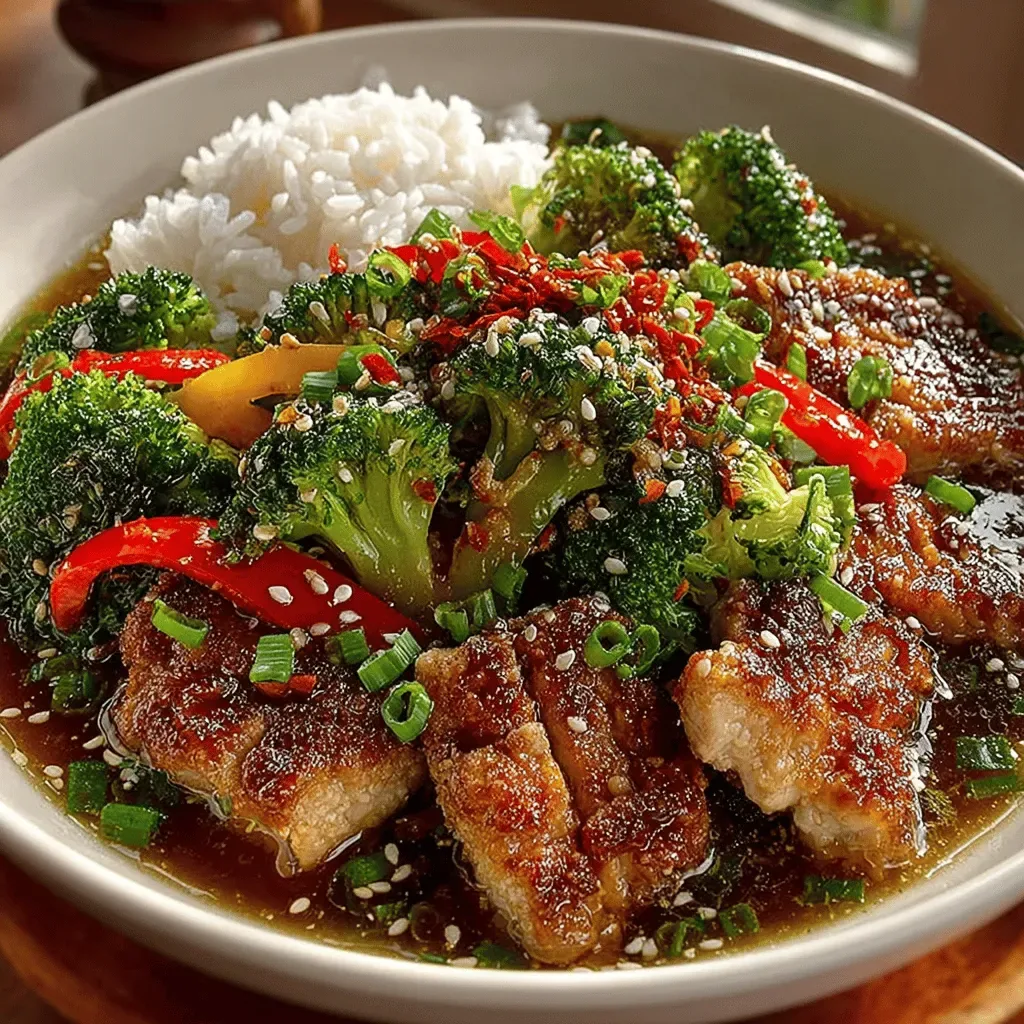
It was a sweltering July afternoon, the kind where the cicadas seem to chant a lazy rhythm while the kitchen fan whirs like a distant helicopter. I was rummaging through the fridge, desperate for something that would cut through the heat and still feel indulgent enough for a weekend get‑together. That’s when I spotted a jar of crisp, tangy dill pickles that had been waiting patiently for a moment to shine. The thought of turning those briny spears into a crunchy, golden‑brown snack sparked a tiny fire in my imagination, and before I knew it, I was pulling out my trusty air‑fryer and a handful of pantry staples.
The first thing that hit me when I tossed the pickles into the air‑fryer basket was the faint hiss, a sound that reminded me of a summer carnival popcorn machine. As the minutes ticked by, a fragrant cloud of garlic, paprika, and a whisper of buttermilk rose from the basket, teasing my senses and promising a flavor explosion. When the timer finally buzzed, I lifted the lid to reveal a glossy, amber‑colored crust that crackled under the slightest pressure – a sound that made my heart skip a beat. The first bite was a perfect marriage of tangy bite, creamy interior, and that irresistible crunch that only a well‑fried coating can provide.
What makes air‑fried pickles truly special is the way they give you all the satisfaction of deep‑fried indulgence without the greasy aftermath that usually follows. You get that satisfying crunch, the bright dill zing, and a subtle buttery richness, all while keeping the dish light enough that you could serve a whole platter without feeling guilty. Imagine the look on your family’s face when they reach for a second (or third) serving, eyes widening as they discover a snack that’s both familiar and daringly new. But wait – there’s a secret trick in step four that takes the texture from “good” to “jaw‑dropping,” and I’ll reveal it in just a moment.
Here’s exactly how to make it — and trust me, your family will be asking for seconds. Follow each step, absorb the little anecdotes that have turned this humble snack into a crowd‑pleaser at my house, and you’ll soon understand why this recipe has become a staple at every gathering. Ready to dive in? Let’s roll up our sleeves and start the journey to the crispiest, most flavorful pickles you’ve ever tasted.
🌟 Why This Recipe Works
- Flavor Depth: The combination of buttermilk and a balanced spice blend creates layers of flavor that penetrate the pickle’s surface, ensuring each bite is a burst of tang, heat, and savory richness.
- Texture Harmony: By coating the spears with a light dusting of flour and cornmeal, the exterior crisps up while the interior stays juicy, delivering that coveted contrast between crunch and melt‑in‑your‑mouth softness.
- Ease of Execution: The air‑fryer does the heavy lifting, giving you a consistent, golden finish without the need for constant oil monitoring or deep‑frying equipment.
- Time Efficiency: With a total prep and cook time under an hour, this snack fits perfectly into a busy weeknight or a quick weekend party prep.
- Versatility: The base recipe is a blank canvas – you can swap spices, add a dip, or even turn the spears into a topping for salads, tacos, or burgers.
- Nutrition Boost: Using an air‑fryer slashes the oil content dramatically, while the pickles themselves provide a low‑calorie source of probiotics that support gut health.
- Ingredient Quality: Fresh, crunchy dill pickles and high‑quality buttermilk create a flavor foundation that can’t be replicated with canned or low‑grade products.
- Crowd‑Pleasing Factor: The familiar pickle taste paired with an unexpected crispy texture makes this dish a guaranteed hit for kids and adults alike, turning skeptics into fans.
🥗 Ingredients Breakdown
The Foundation – Pickles & Buttermilk
The star of the show is, of course, the dill pickle spear. Choose spears that are firm to the touch, with a bright, glossy skin – they’ll hold up better during the coating process and retain that satisfying snap. I always opt for refrigerated, not jarred, pickles because they have a fresher crunch. The buttermilk acts as a tenderizer, coaxing a subtle tangy richness into the coating while also helping the flour adhere perfectly. If you’re dairy‑free, a cultured coconut yogurt works surprisingly well, offering a similar acidity without the dairy.
Aromatics & Spices – The Flavor Engine
Garlic powder and onion powder are the backbone of the seasoning blend, delivering a warm, umami base that balances the pickle’s brine. Paprika adds a gentle smoky note, while a pinch of cayenne gives a whisper of heat that awakens the palate. Black pepper and kosher salt amplify the overall flavor without overwhelming the delicate pickle taste. For those who love a hint of sweetness, a dash of brown sugar can be added to the breadcrumb mix – it caramelizes lightly in the air‑fryer, creating a subtle caramel crunch.
The Secret Weapons – Flour, Cornmeal & Breadcrumbs
All‑purpose flour is the first binding layer, creating a dry surface that allows the cornmeal to cling. The cornmeal introduces a rustic, slightly gritty texture that’s essential for that restaurant‑style crunch. Finally, panko breadcrumbs (or traditional breadcrumbs if you prefer) give the outermost shell a light, airy crispness that stays crunchy even after cooling. If you’re aiming for a gluten‑free version, substitute the flour with a rice flour blend and use gluten‑free panko.
Finishing Touches – Oil & Serving Ideas
A light mist of cooking spray before air‑frying is the secret that turns a good coating into a glossy, golden masterpiece. It’s not about adding oil for richness; it’s about encouraging even browning and that irresistible sheen. Serve the pickles with a side of cool ranch dip, a tangy aioli, or even a simple squeeze of fresh lemon for a bright finish. The real magic, however, is in the garnish – a sprinkle of fresh chopped dill or a pinch of flaky sea salt just before serving elevates the dish from snack to star.
With your ingredients prepped and ready, let's get cooking. Here's where the fun really begins…

🍳 Step-by-Step Instructions
Start by patting the dill pickle spears dry with paper towels; this step removes excess moisture that could steam the coating instead of crisping it. Once dry, set them aside on a large plate, making sure they’re not touching each other. The dry surface is crucial because it allows the buttermilk to cling, forming a thin, even film that will later hold the flour and breadcrumbs in place. Trust me, skipping this step leads to soggy spears that never achieve that coveted crunch.
In a shallow bowl, pour 1 cup of buttermilk and whisk in a pinch of salt and a dash of garlic powder. Submerge the pickle spears in the buttermilk mixture, turning them so each piece gets a uniform coating. Let them sit for 5 minutes – this brief marination lets the acidity start to work its magic, softening the outer skin just enough to absorb the flour later. The scent of the buttermilk mingling with the dill is already a hint of the flavor depth to come.
While the pickles are soaking, prepare three separate shallow dishes: one with ½ cup of all‑purpose flour seasoned with a pinch of pepper, the second with ½ cup of fine cornmeal, and the third with 1 cup of panko breadcrumbs mixed with paprika, onion powder, and a touch of cayenne. This “three‑step” coating system creates layers that each contribute a unique texture – the flour for adhesion, the cornmeal for bite, and the panko for airy crispness. Once the pickles have marinated, lift each spear, letting excess buttermilk drip off, then roll it first in flour, then cornmeal, and finally in the breadcrumb mixture.
Arrange the fully coated spears in a single layer inside the air‑fryer basket, making sure they don’t overlap. Overcrowding traps steam and leads to uneven browning, so you may need to work in batches depending on the size of your appliance. Lightly spray the tops with cooking oil – just enough to create a shimmer without drowning the coating. This spray is the secret to that golden‑brown finish you see in restaurant‑style appetizers.
Set the air‑fryer to 200°C (about 390°F) and cook for 8 minutes, then pause, flip each spear, and spray the other side with a quick mist of oil. The flipping ensures both sides develop an even crust and that the interior stays moist. At this point, the kitchen will be filled with a fragrant aroma of paprika and garlic, a scent that signals you’re on the right track. If you notice any spears browning too quickly, lower the temperature to 180°C for the remaining minutes.
Continue cooking for another 7‑9 minutes, or until the coating turns a deep, amber gold and you hear a faint crackle when you tap the surface. The visual cue is a glossy finish that reflects the basket’s light, and the tactile cue is that satisfying snap when you press a spear lightly with a fork. This is the moment where patience truly pays off – the longer the spears sit, the more the flavors meld, and the crust becomes perfectly crisp.
Remove the pickles from the basket and let them rest on a wire rack for 2 minutes. This short rest allows the steam to escape, preserving the crunch while the interior stays juicy. While they’re cooling, whisk together a quick ranch dip using Greek yogurt, a splash of milk, dried dill, and a squeeze of lemon juice – a perfect companion that adds creaminess without overpowering the pickle’s tang.
Serve the air‑fried pickles on a platter, arranging them like little golden swords ready for battle. Offer the dip on the side, and don’t forget a handful of extra fresh dill for garnish. The result is a snack that looks as impressive as it tastes, with a crunch that sings, a tang that brightens, and a buttery finish that lingers pleasantly on the palate. And there you have it! But before you dig in, let me share some tips that will take this from great to absolutely unforgettable…
🔐 Expert Tips for Perfect Results
The Taste Test Trick
Before you commit to the full batch, fry a single spear as a test. This miniature experiment lets you gauge the seasoning level and adjust salt or spice before the main run. I once discovered my paprika was a bit too smoky, and a quick tweak saved the entire batch from an overpowering flavor. The test spear also reveals whether your air‑fryer is heating evenly, which can vary between models.
Why Resting Time Matters More Than You Think
After the final fry, give the pickles a brief 2‑minute rest on a cooling rack. This pause allows the steam to escape, locking in that crisp exterior while keeping the interior moist. Skipping this step often results in a soggy coating, because the residual heat continues to soften the crust. Trust me, that short rest is the difference between “good” and “wow, where did you learn that?”
The Seasoning Secret Pros Won’t Tell You
Mix a teaspoon of smoked salt into the breadcrumb blend for a subtle, smoky undertone that mimics a deep‑fried, wood‑smoked flavor without any extra effort. This is a trick I picked up from a professional chef who swore by it for all his fried appetizers. The smoked salt doesn’t overpower; it simply adds depth that makes the pickles taste like they’ve been cooked over an open flame.
Oil Spray Technique
Instead of a traditional spray bottle, use a refillable oil mister that produces a fine mist. A thin veil of oil ensures even browning and prevents the coating from becoming greasy. I once tried a heavy spray and ended up with a greasy mess – the key is a whisper, not a downpour.
Temperature Tweaks for Different Pickle Sizes
If you’re using larger pickle chips instead of spears, lower the temperature to 180°C and extend the cooking time by 3‑4 minutes. Larger pieces need a gentler heat to allow the interior to stay juicy while the exterior crisps. Conversely, thinner spears can handle the full 200°C blast for a shorter period, giving you that ultra‑crisp snap in less time.
🌈 Delicious Variations to Try
One of my favorite things about this recipe is how versatile it is. Here are some twists I've tried and loved:
Spicy Sriracha Kick
Add 1 tablespoon of sriracha to the buttermilk mixture and sprinkle a pinch of red pepper flakes into the breadcrumb blend. The result is a fiery heat that pairs beautifully with the cool, tangy pickle, perfect for those who love a little burn.
Herb‑Infused Parmesan
Mix ¼ cup of grated Parmesan cheese and a tablespoon of dried Italian herbs into the breadcrumbs. This variation adds a nutty, cheesy crust and a fragrant herb note that elevates the snack to a sophisticated appetizer.
Southern Sweet‑Heat
Swap half of the paprika for brown sugar and add a dash of cayenne. The caramelized sugar creates a subtle sweetness that balances the pickle’s acidity, while the cayenne keeps the heat present but not overwhelming.
Vegan Crunch
Replace the buttermilk with a blend of unsweetened almond milk and lemon juice, and use a gluten‑free flour and cornmeal mix. The texture remains just as satisfying, and the flavor stays bright and crisp.
Cheddar Jalapeño Pop
Fold in ¼ cup of shredded sharp cheddar and finely diced jalapeños into the breadcrumb mixture. The cheese melts slightly during cooking, creating pockets of gooey goodness amidst the crunch, while the jalapeños add a fresh, sharp bite.
Curry‑Infused Delight
Add 1 teaspoon of curry powder and a pinch of turmeric to the flour coating. This gives the pickles an exotic, earthy flavor profile that pairs surprisingly well with a yogurt‑mint dip.
📦 Storage & Reheating Tips
Refrigerator Storage
Allow the air‑fried pickles to cool completely, then store them in an airtight container lined with a paper towel to absorb excess moisture. They’ll stay crisp for up to 3 days, though the first day is always the best. If you notice any loss of crunch, a quick 2‑minute reheat in the air‑fryer revives them.
Freezing Instructions
For longer‑term storage, flash‑freeze the cooled spears on a baking sheet, then transfer them to a zip‑top freezer bag. They’ll keep for up to a month. When you’re ready to enjoy them, skip the thaw and go straight to a 5‑minute air‑fry at 200°C – the coating will re‑crisp perfectly.
Reheating Methods
The best reheating method is the air‑fryer: preheat to 180°C and heat for 3‑4 minutes, or until the crust regains its golden hue. If you don’t have an air‑fryer, a hot oven at 375°F for 5‑6 minutes works, but be sure to place a wire rack on the baking sheet so steam can escape. The trick to reheating without drying out? A splash of water in the bottom of the oven creates a gentle steam that keeps the interior moist while the exterior crisps.